One shoot day for a beauty brand: How to plan content that covers social, website, and press
By Violetta Coretnic, producer and co-founder, We Stream.
A beauty brand commissioning beauty brand video production with one shoot day and three different output requirements - social, website, e-commerce - is not asking for one video. It's asking for a production plan that delivers three different things without tripling the budget or the time on set.
That planning happens before the shoot, not during it. What gets decided in pre-production determines whether one day is enough.
twelve videos, three days, one coherent content pack
That coherence requirement is the part that most clients underestimate when they brief a multi-video shoot. It's straightforward to brief twelve individual videos. It's harder to brief twelve videos that share a visual language without becoming repetitive, where the lighting feels consistent across different models and different product textures, and where the pacing of each piece fits the platform it's being made for without the series feeling like it was produced in batches.
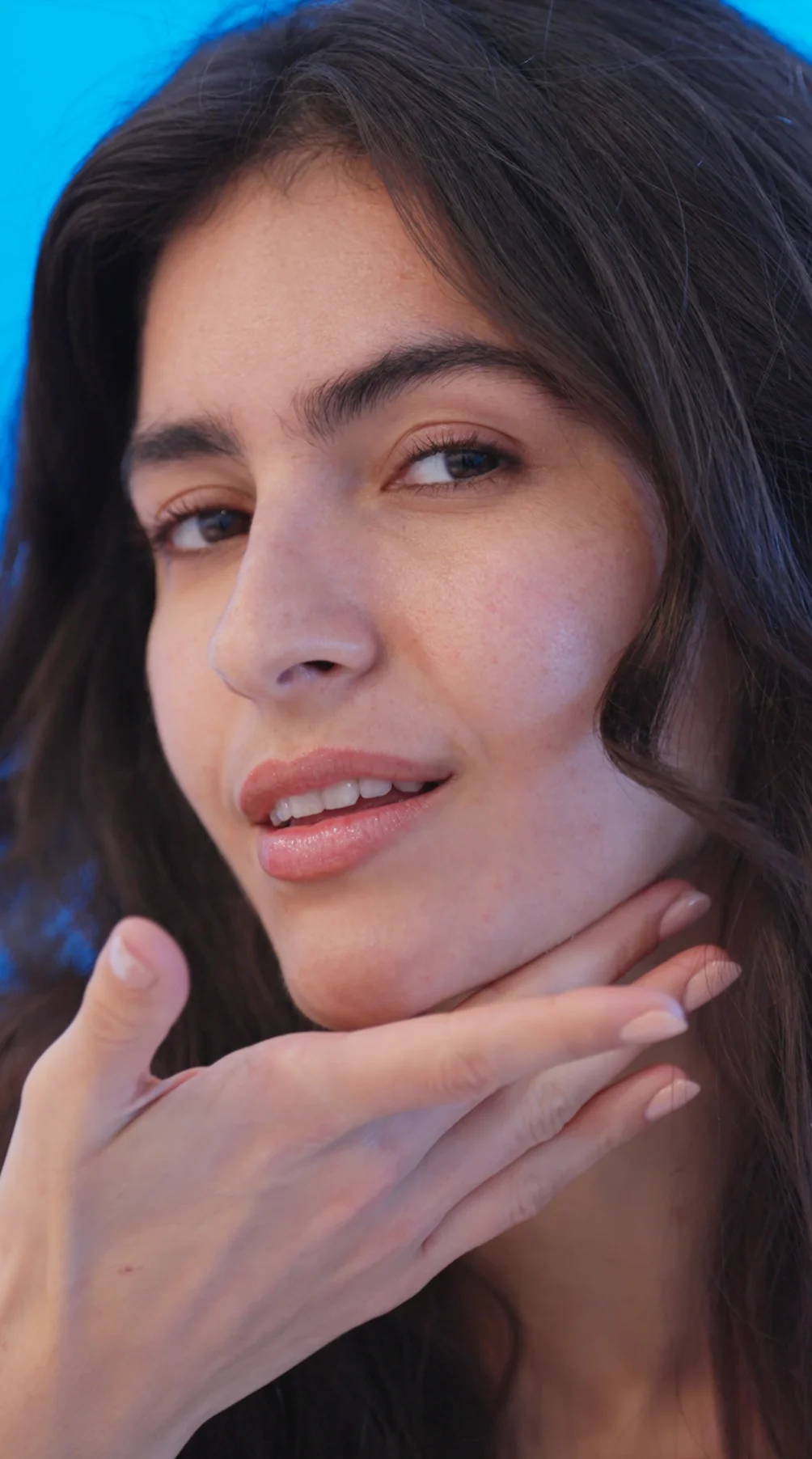
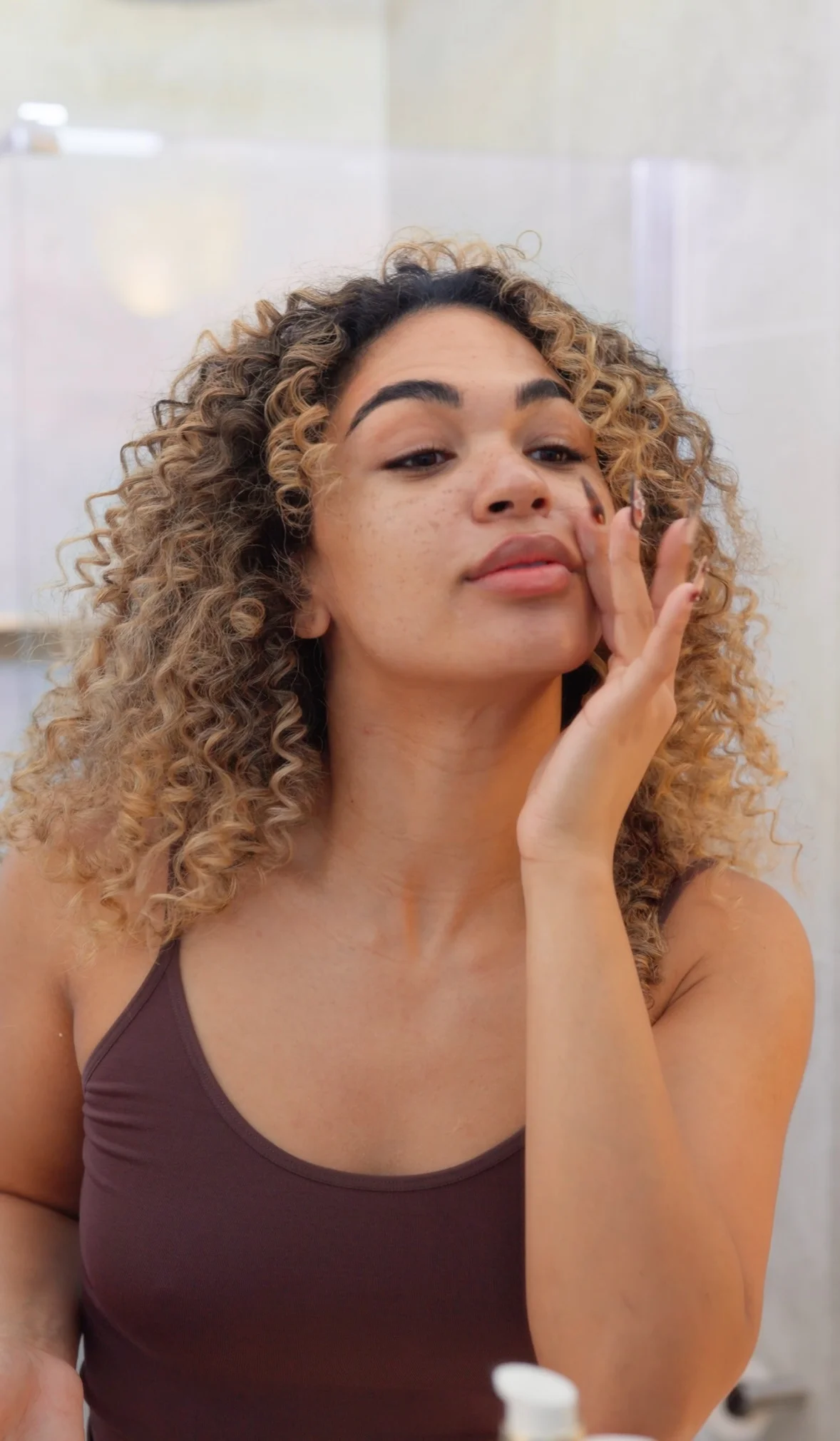
Soft lighting was the base for everything. Skincare content lives and dies on texture - the way a serum catches light as it's applied, the skin surface before and after, the product in the bottle versus on the face. Hard light flattens texture or creates specular highlights that misrepresent the product. Diffused, directional soft light shows it accurately, which is what both the brand and the customer need.
Clean visuals, minimal set design, the product and the skin as the subject - that's what the Sunday Riley aesthetic required, and it's also what makes the content functionally useful across e-commerce, social, and press without needing to be re-shot for each context.
Lancôme: same-day delivery for a beauty campaign
We filmed a branded "Get Ready With Me" video featuring an influencer preparing for a Lancôme event using the new product line - morning routine, makeup application, the product in use rather than on display. The entire piece was shot in soft light with a close attention to texture and detail, the same visual principles that governed the Sunday Riley work. It was delivered the same day, used across Lancôme's social media and press channels the same evening.
The same-day requirement on a beauty shoot isn't just a logistics problem - it's a creative one. The footage has to be shot in an order and at a pace that allows the editor to work with a near-complete cut before the shoot wraps. Product shots, the morning routine sequences, the final look - those need to be in the can early enough that the edit isn't waiting on them when the delivery deadline arrives.
- Format decisions before the shoot, not afterA video shot for website use - typically horizontal, longer form, product-focused - requires different framing choices from a vertical social reel. Shooting horizontal and cropping for vertical in post works for some shots and destroys others. The shots that won't survive the crop need to be identified and reframed on the day, which means knowing before the shoot which outputs are required and what each one needs.
- Model scheduling that matches product sequenceOn a multi-product shoot with multiple models, the order in which talent appears on set determines how efficiently the day runs. Lighting a model for four consecutive products in the same setup is faster than moving between setups and models unpredictably. The call sheet isn't just a timing document - it's a production efficiency tool. A poorly structured call sheet on a twelve-video shoot can cost two to three hours across the day.
- Product logistics are production logisticsSkincare products need to be at the right temperature to apply and photograph correctly. Formulas that separate if left too long need to be prepared fresh. Packaging needs to be clean and unhandled before close-up product shots - a fingerprint on a glass bottle is visible in high-resolution footage and not fixable in post without significant retouching time. These aren't afterthoughts - they're production decisions that belong in the pre-shoot prep, not on the day.
The social vs. website vs. press problem
These three outputs have different requirements, and they reward different production decisions.
-
Social - particularly vertical short-form for Instagram and TikTok - rewards movement, pacing, and the product in use. The viewer is scrolling. The first two seconds have to hold them, which means the most visually compelling moment in the piece needs to be near the top, not built toward. A product reveal that works as the climax of a sixty-second website video doesn't work as the opening of a fifteen-second reel.
-
Website and e-commerce video rewards clarity and accuracy. The customer is evaluating the product, not being entertained. According to Explorer Research's 2024 beauty shopper study, 48% of beauty shoppers specifically use product feature videos when researching a purchase - they are actively looking for content that shows the formula, the application, the finish. Oversaturated colour grading that looks strong on a phone screen can misrepresent a product's actual finish in a way that creates returns.
-
Press content needs to be usable by third parties in their own formats, which means it needs to be shot cleanly enough that it can be cropped, resized, and placed in editorial contexts the brand doesn't control. Generic-looking footage that's been produced to a house style creates problems when a magazine needs to place it next to their own photography.
The practical response to all three: shoot the content clean, light it accurately, and make the format adaptations in post rather than on set. One well-executed base shoot is easier to adapt to three outputs than three separately briefed shoots are to make coherent.
What one shoot day can actually deliver
- Six to eight short-form social videos if the setups are pre-planned and the model transitions are efficient. Three to four longer-form website or e-commerce pieces from the same shoot day. A usable press gallery from the stills running in parallel.
- The Sunday Riley series ran across three days because twelve videos with multiple models and product categories needed that time to execute to the brand's standard. A single brand with three to four hero products and a clear brief can work within one day - provided the day is structured around what it needs to produce, not built around what feels manageable on the morning.


FAQ

team@westream.uk