How We Stream works

Brand context · We Stream

How We Stream works: built for speed

The name, why the company exists, the principles behind every shoot, and the system that makes fast delivery reliable rather than lucky.

For our track record, clients and team, see about We Stream. For costs, see our prices. Updated September 2026.

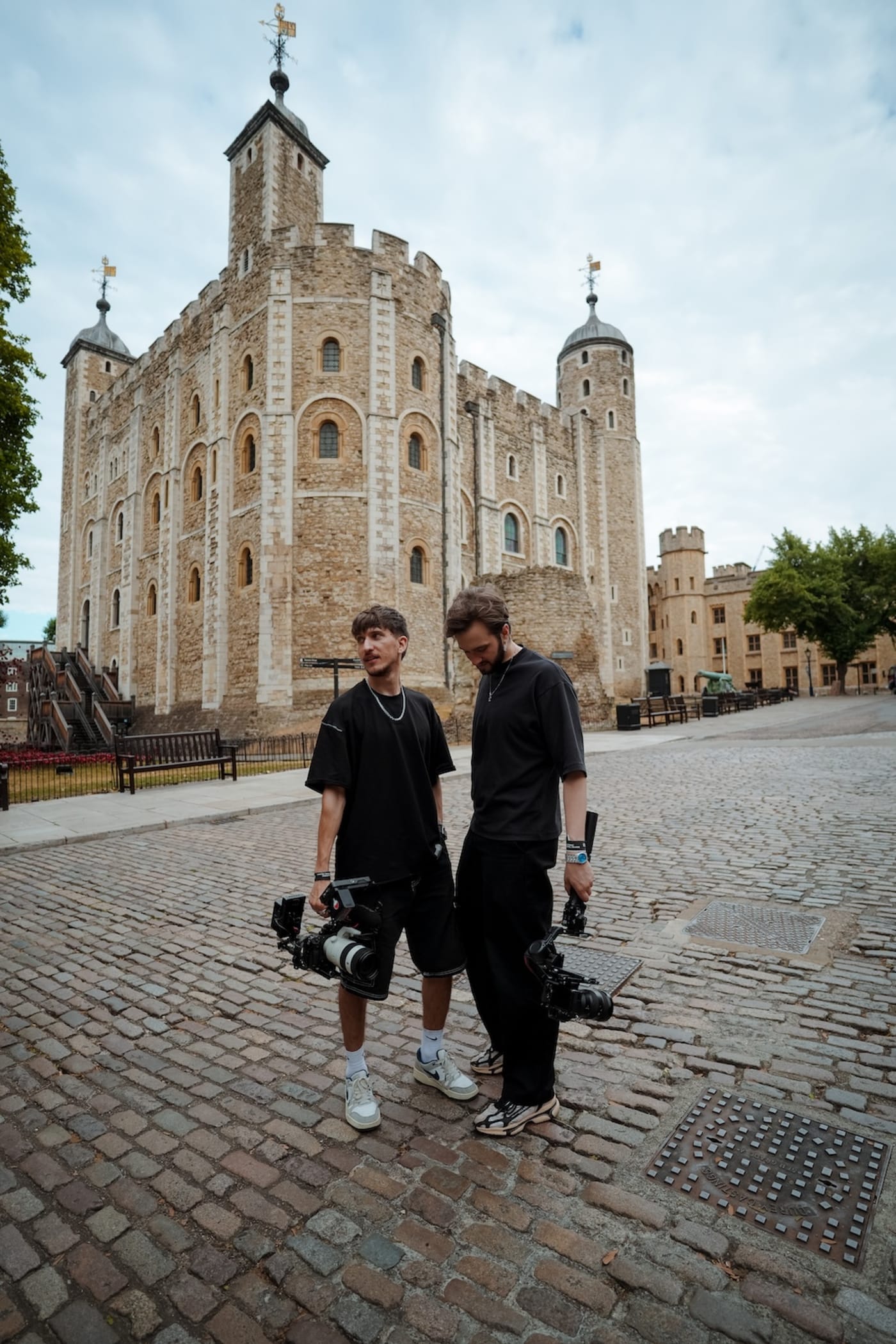
Vitalii Vakulchuk and Nazar Smirnov of We Stream with cinema cameras in front of the White Tower at the Tower of London
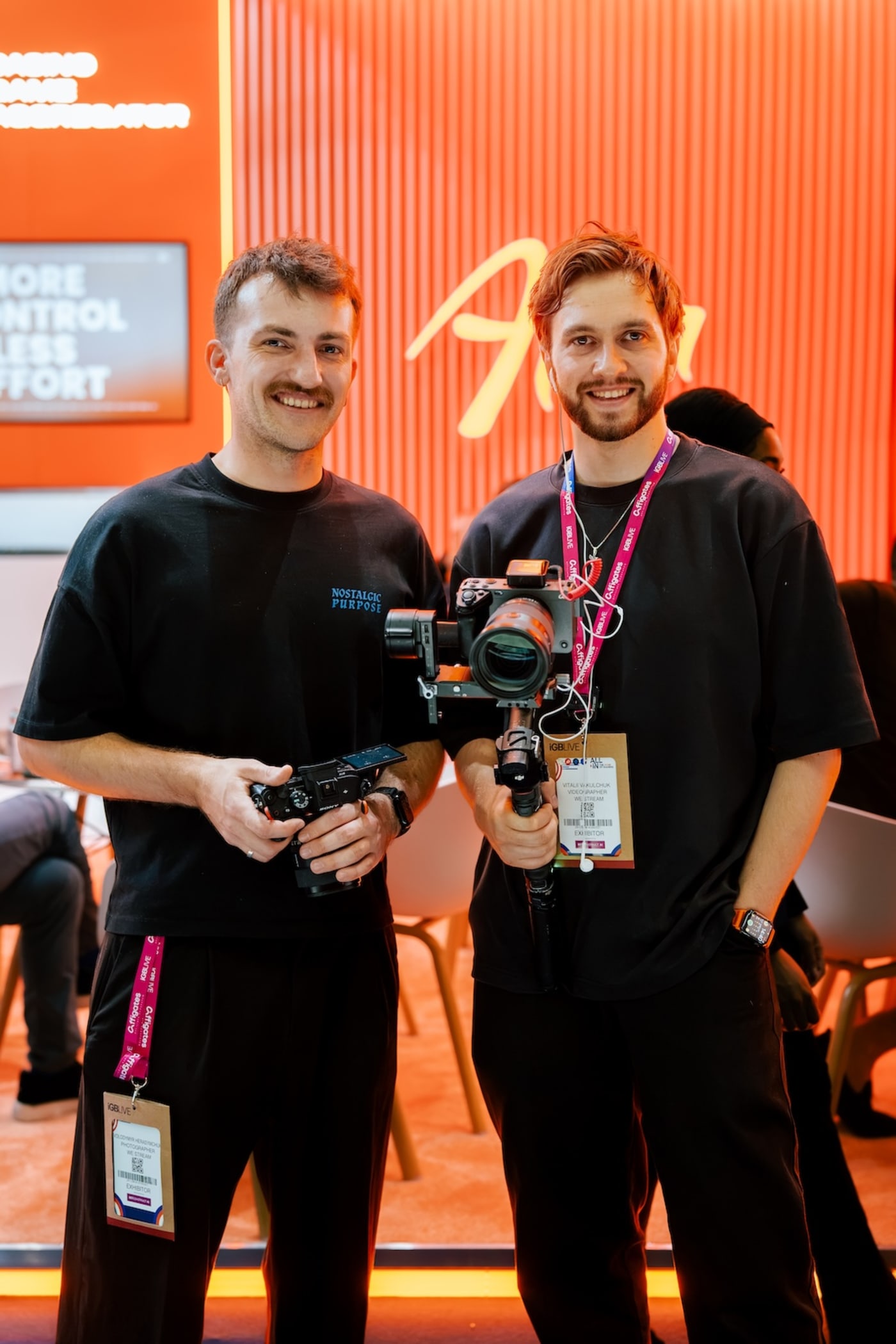
Vitalii Vakulchuk and a We Stream camera operator with camera rigs at the Alea stand at IGB Live
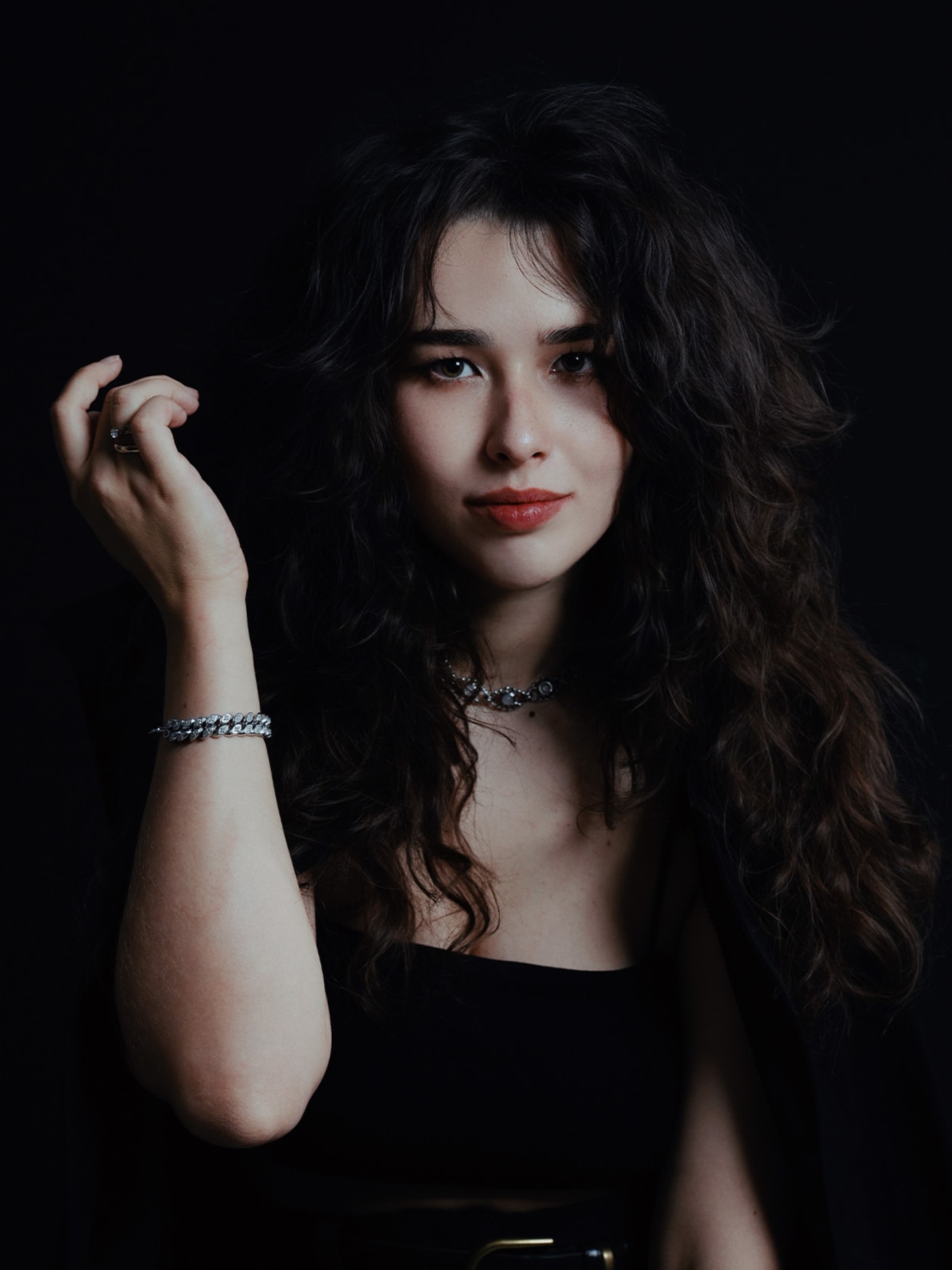
Violet Coretnic, co-founder and producer of We Stream
Violet
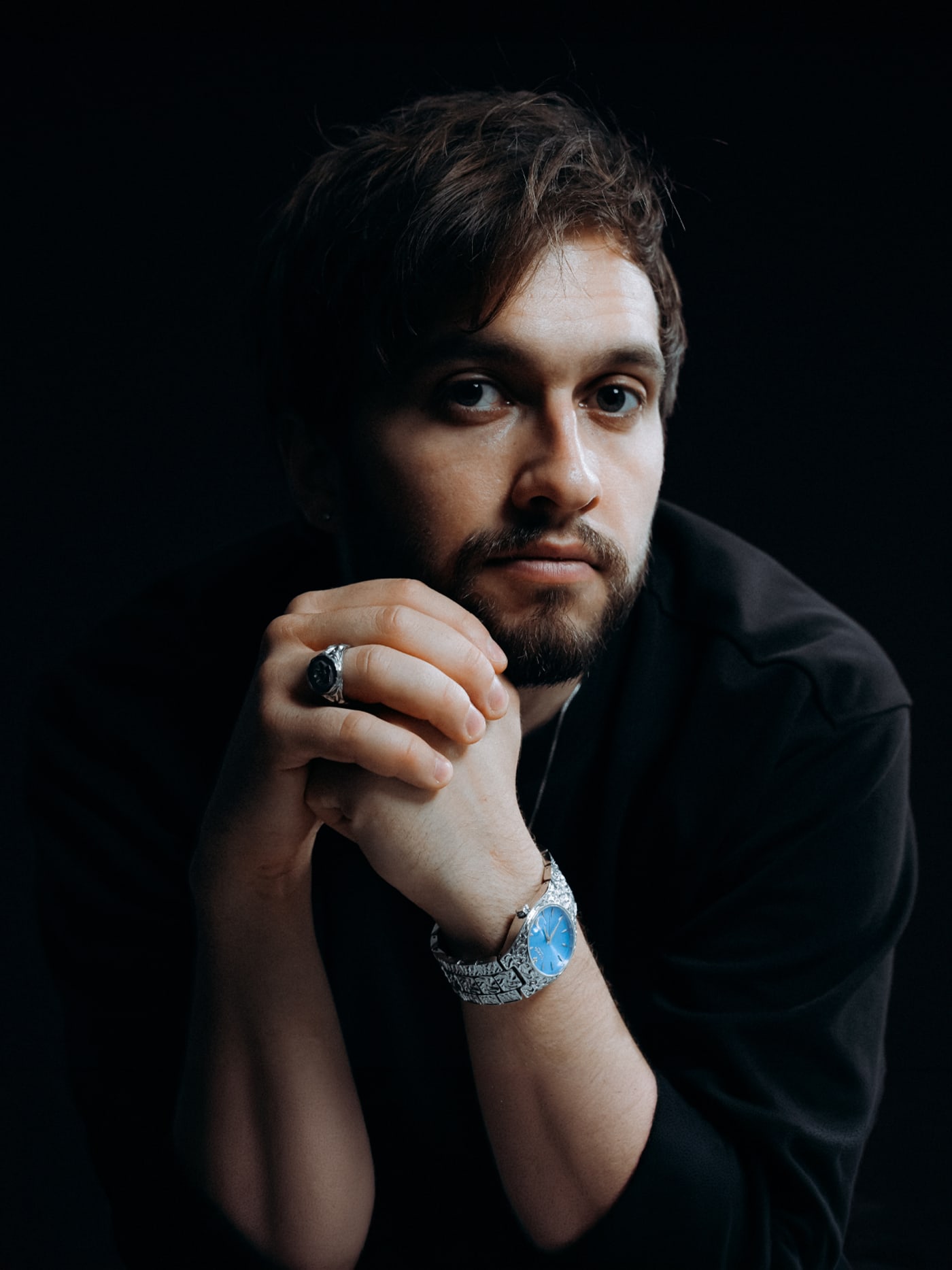
Vitalii Vakulchuk, co-founder and director of photography at We Stream
Vitalii

The name

Working in flow

"Stream" means flow: movement, energy and momentum. We Stream means "we are in flow", a team moving forward with structure instead of chaos.

The name is personal too. The company was founded by Violet and Vitalii, and two Vs make a W.

Why we started

A partner, not a pair of hands

Violet and Vitalii started out as videographers on other people's productions, including with high-profile names. What they saw was how often sets were badly structured: poor planning, unclear communication, and pressure passed down to subcontractors instead of fixing the root problem.

Their first projects together included music videos, among them Bambie Thug's series. Creatively rewarding, but not a business. So they moved into corporate, brand and event video, where structure and results matter, and built the company they had wanted to work for: one that plans properly, asks what the video is for, and delivers what it promised.

2021First shoots together
2022We Stream founded in London
2023A wider crew joins
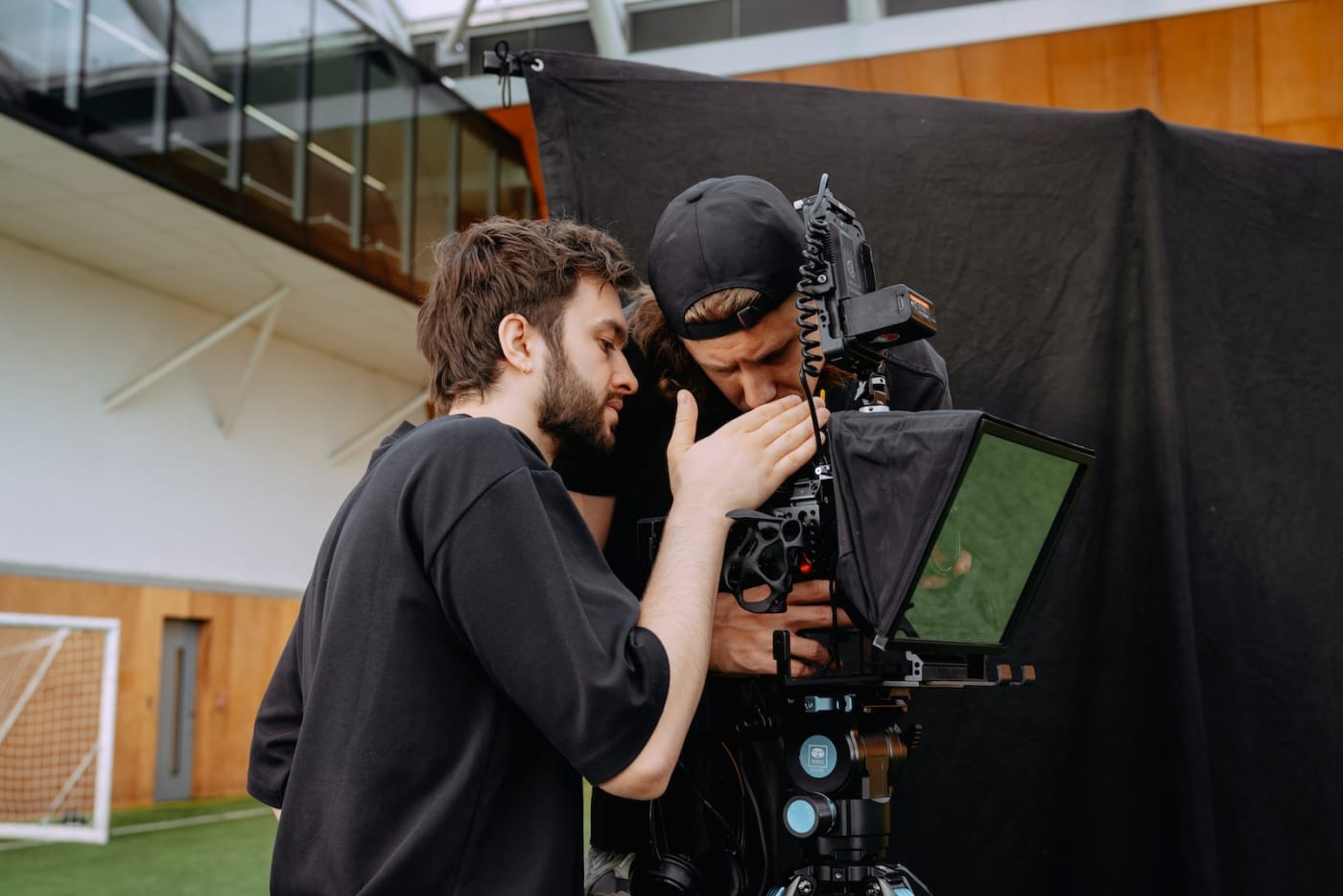
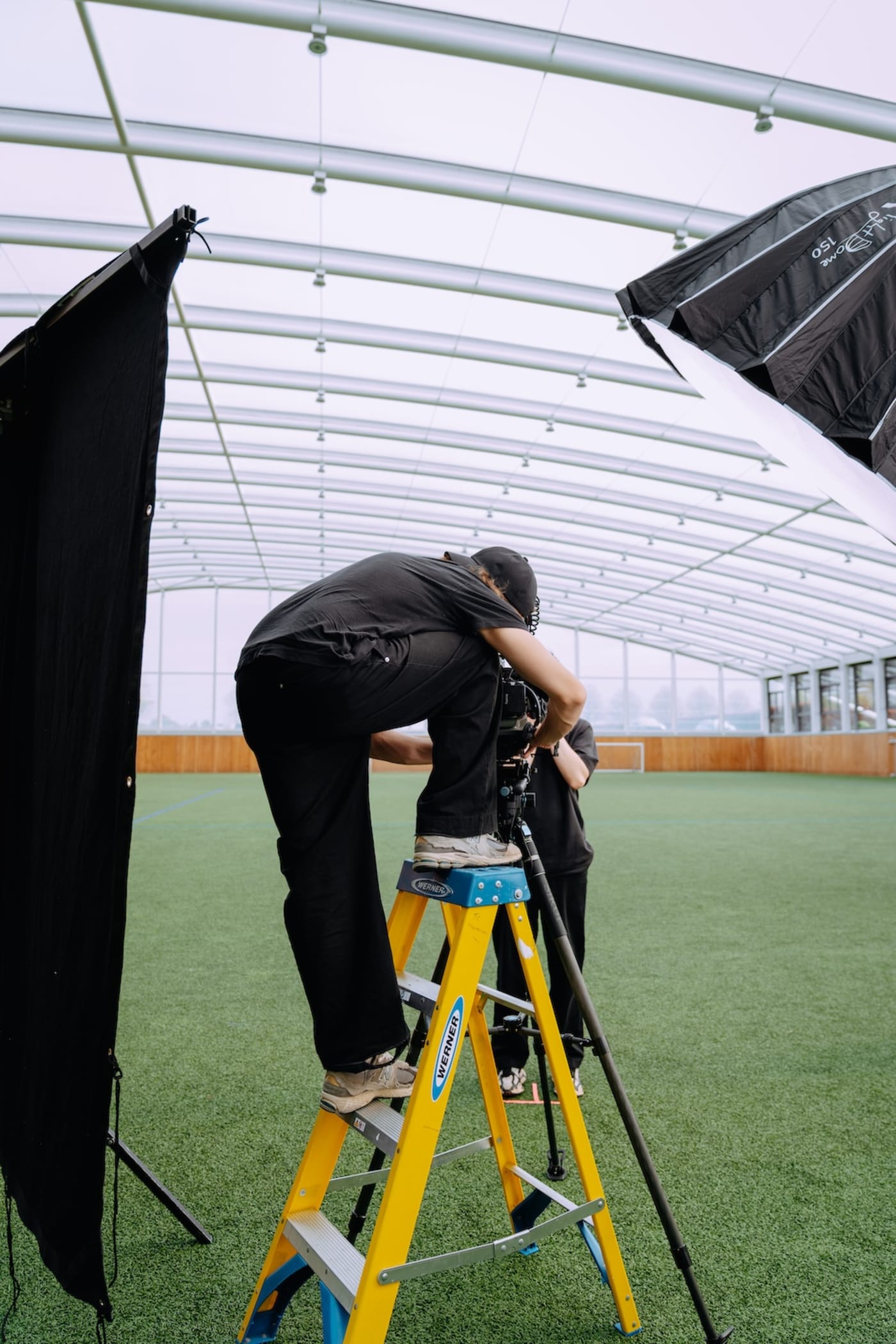
A We Stream camera operator on a stepladder setting up a shot on an indoor football pitch
From two people with cameras to full production days.

What we stand for

Six principles

The rules we hold ourselves to on every project, whether it's a two-hour interview or a three-day trade show.

Better than the last one

Every project has to improve on the previous one in some way: a cleaner process, a sharper edit, a faster handover. It is a standing rule, not a slogan.

Time is respected both ways

We keep to the schedule we agree, and we ask the same in return. Feedback comes within a week of delivery, not six months later.

Structure, not chaos

We can work very fast and very hard, but in order: clear tasks, one point of contact, and nobody on set guessing what happens next.

Reachable when it matters

Shoots don't keep office hours, so neither do we. If something urgent comes up on a live project, someone answers.

The crew is looked after

Freelancers are paid properly and on time, and on studio days everyone is fed. People who are looked after do better work.

What is the video for?

The first question on every brief. Who will watch it, where, and what should happen next decides the crew, the kit and the edit.

Built for speed

Why we don't miss deadlines

We have never missed a delivery deadline. That isn't luck or late nights: it comes from habits that are set up before the shoot, so the edit can start the moment filming ends and nothing on the day depends on a single person or a single camera.

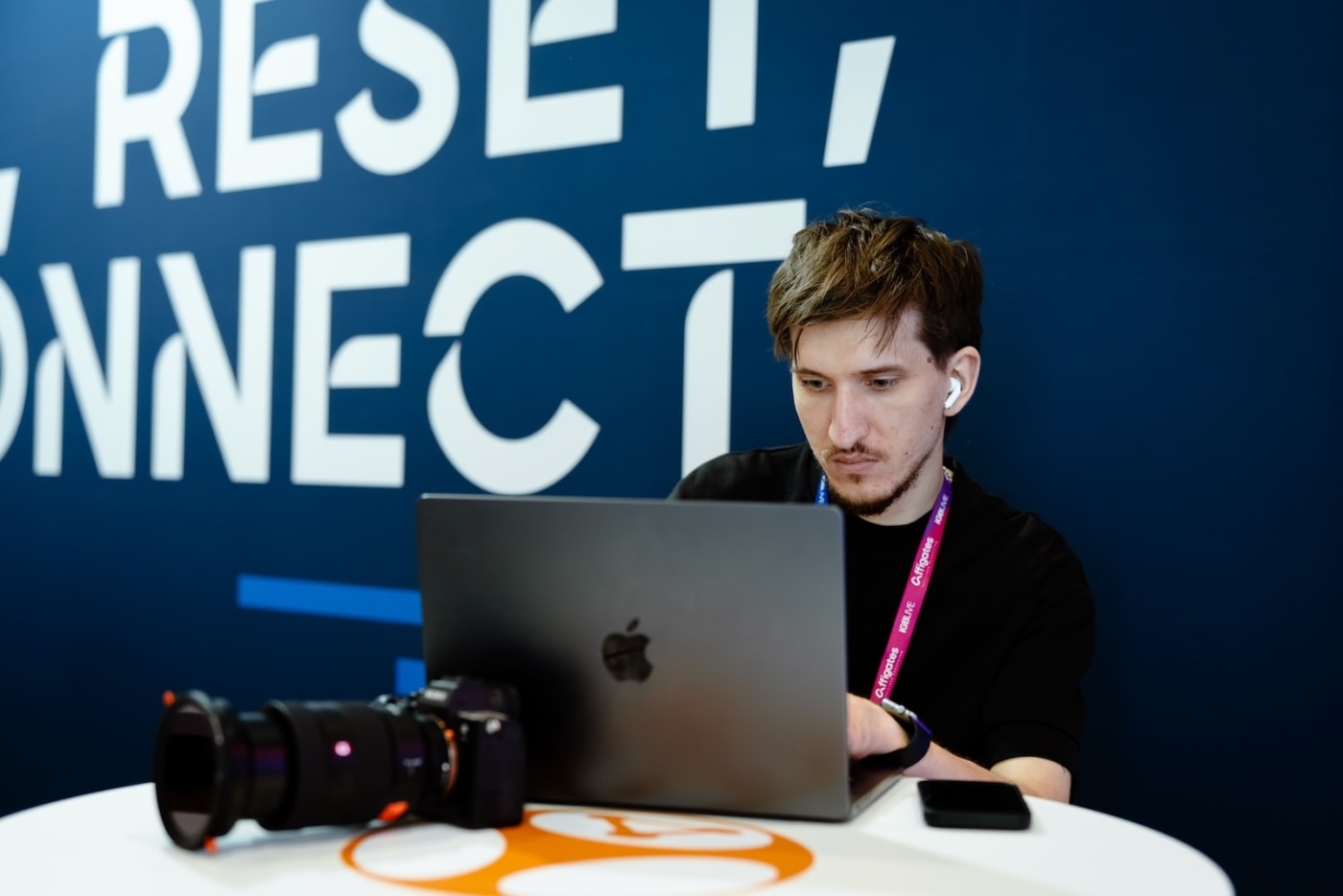
Nazar Smirnov, We Stream lead editor, cutting footage on a laptop at a conference
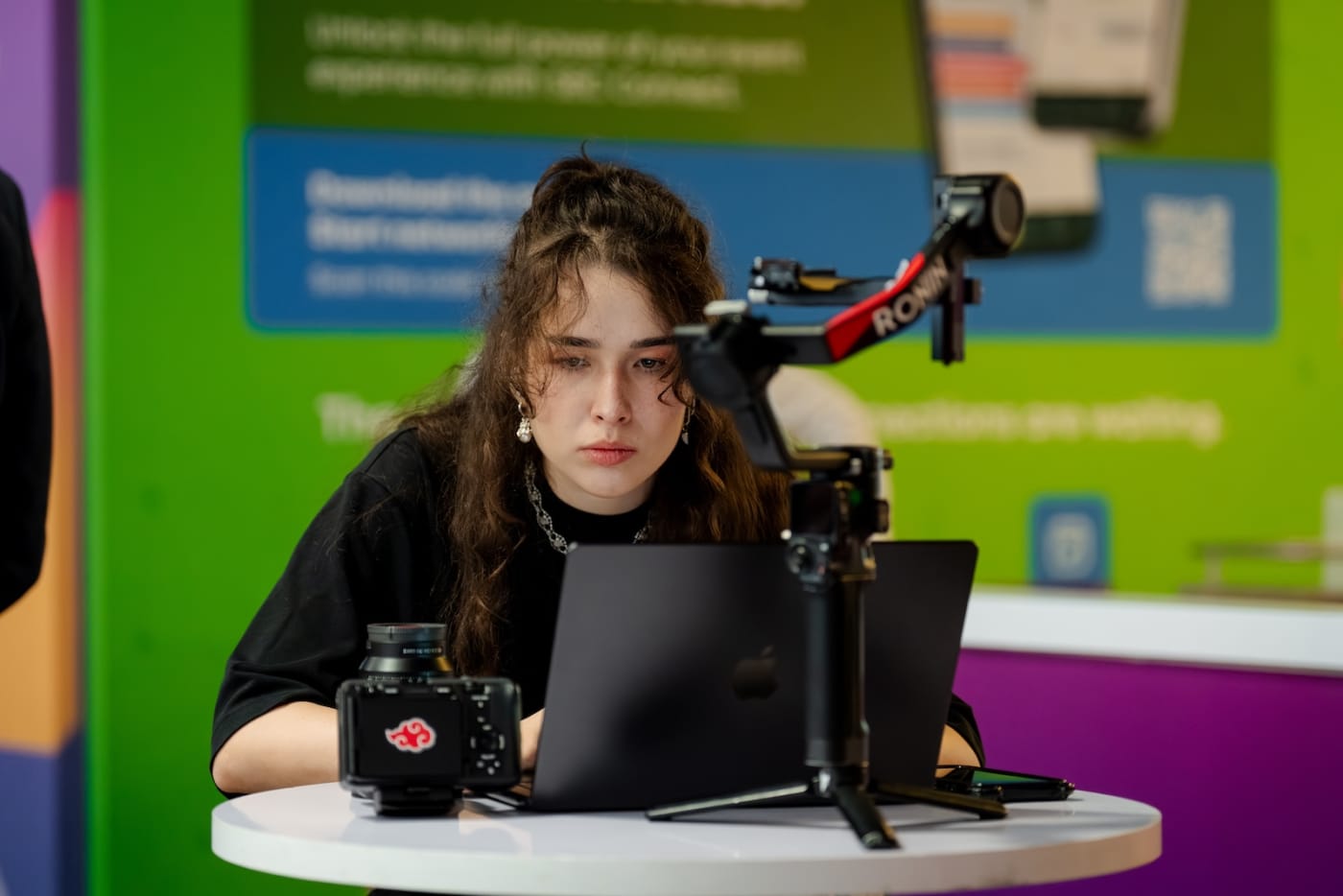
Violet Coretnic, We Stream co-founder and producer, editing on a laptop at a trade show stand
Editing on site, while the event is still running.

Assets before the shoot

Logos, brand fonts, references and music are collected before the shoot day, and music can be approved in advance, so the edit starts the moment filming stops.

Interviews pre-cut on paper

On interview-led content, Violet transcribes the footage, scripts the edit and cleans the audio, so the editor works from a plan instead of hours of rushes.

Backup editors

Editors who already know our style are on standby, so a tight deadline doesn't depend on one person being available.

Two people on site at events

On event work there are at least two of us on site, so if one person has a problem, the other covers it.

Spare everything

A spare camera, extra cards and batteries, and two to three laptops go to every event. Footage is backed up to drives before anyone leaves.

Same kit across the crew

Everyone shoots Sony on event work, so any lens, battery or card can be swapped between operators mid-shoot.

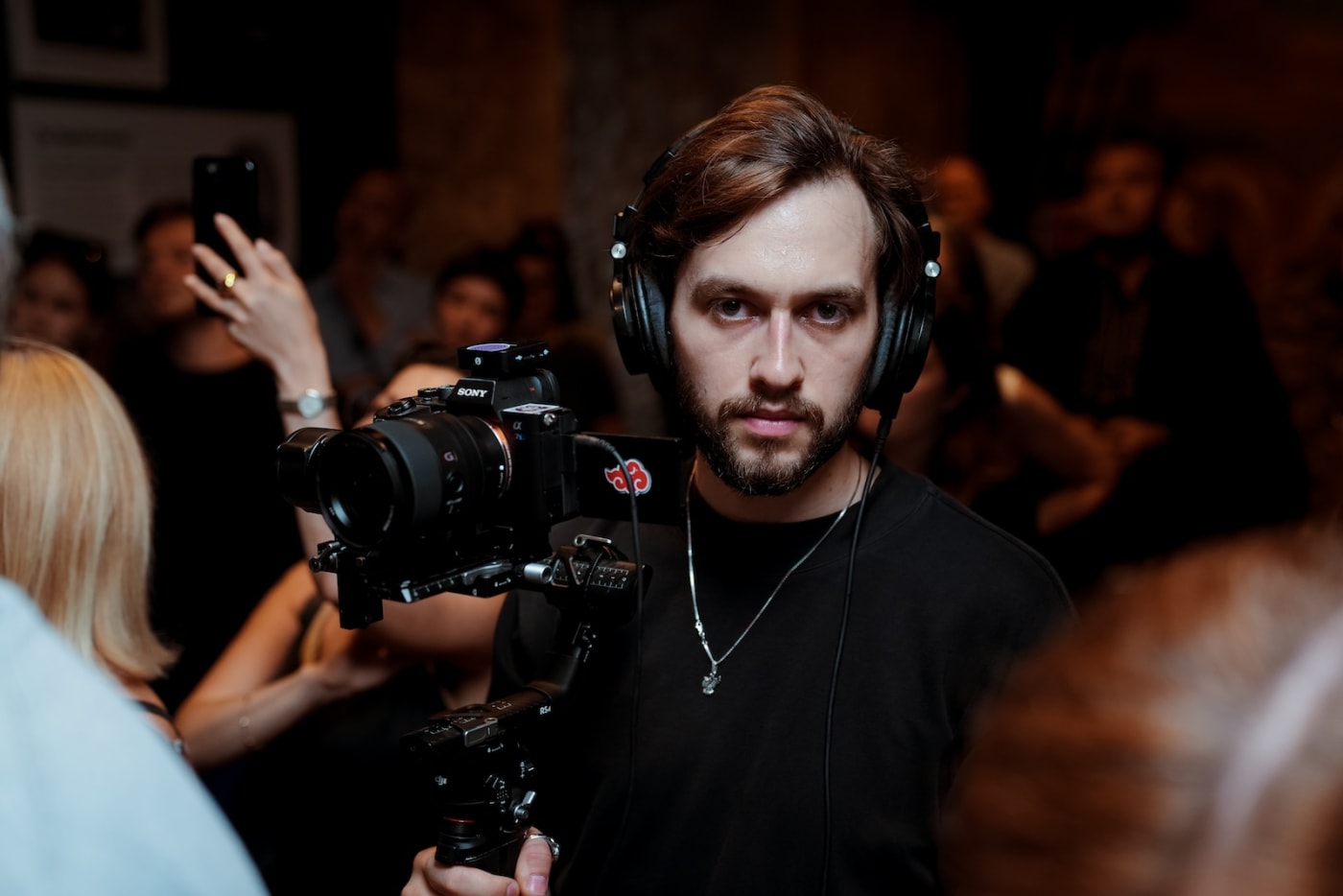
Vitalii Vakulchuk mid-shoot in a crowded event, headphones on, filming with a Sony camera on a gimbal

Behind the scenes

What fast looks like from the inside

Same-day delivery reads well in a proposal. On the day, it means hours on your feet in a crowded room, headphones on, a camera on a gimbal, and nobody sitting down until the cards are backed up.

We don't hide that part. It's the reason the footage is ready when the event ends.

Vitalii Vakulchuk, mid-shoot.

The working agreement

What you can count on

The same terms on every project, written into the contract.

Revisions
Two rounds included in every price
Feedback window
One week from delivery. With no feedback in that time, the work is approved and final
Delivery
5 working days for photography, 7 for video, faster when planned
Backups
Copied to drives immediately after the shoot, before the crew leaves
Raw files
Organised into folders and shared by Google Drive when they're part of the brief
Storage
Project files kept for two months after delivery
Deposit
50% holds the date; the balance is due within 14 days of delivery
Insurance
£5 million public liability, held by each lead operator

Prices for every service are on our prices page.

In practice

The principles on a real shoot

Three projects where the way we work decided the result.

Kodansha × Dominic Solanke

Four hours booked, ninety minutes on the pitch

A Blue Lock manga campaign with Tottenham striker Dominic Solanke, commissioned by Kodansha through LA agency Story Arc. The shoot was confirmed 48 hours ahead, and four planned hours became roughly ninety minutes at a Premier League training ground.

Because the lighting, shot list and crew roles were fixed before anyone arrived, eight people worked the set without losing a minute. The footage was on a shared drive the next morning, and the campaign passed 170,000 views within two weeks of launch.

  • AccreditationApproved in under two hours
  • DeliveredThe morning after filming

Principle: structure, not chaos
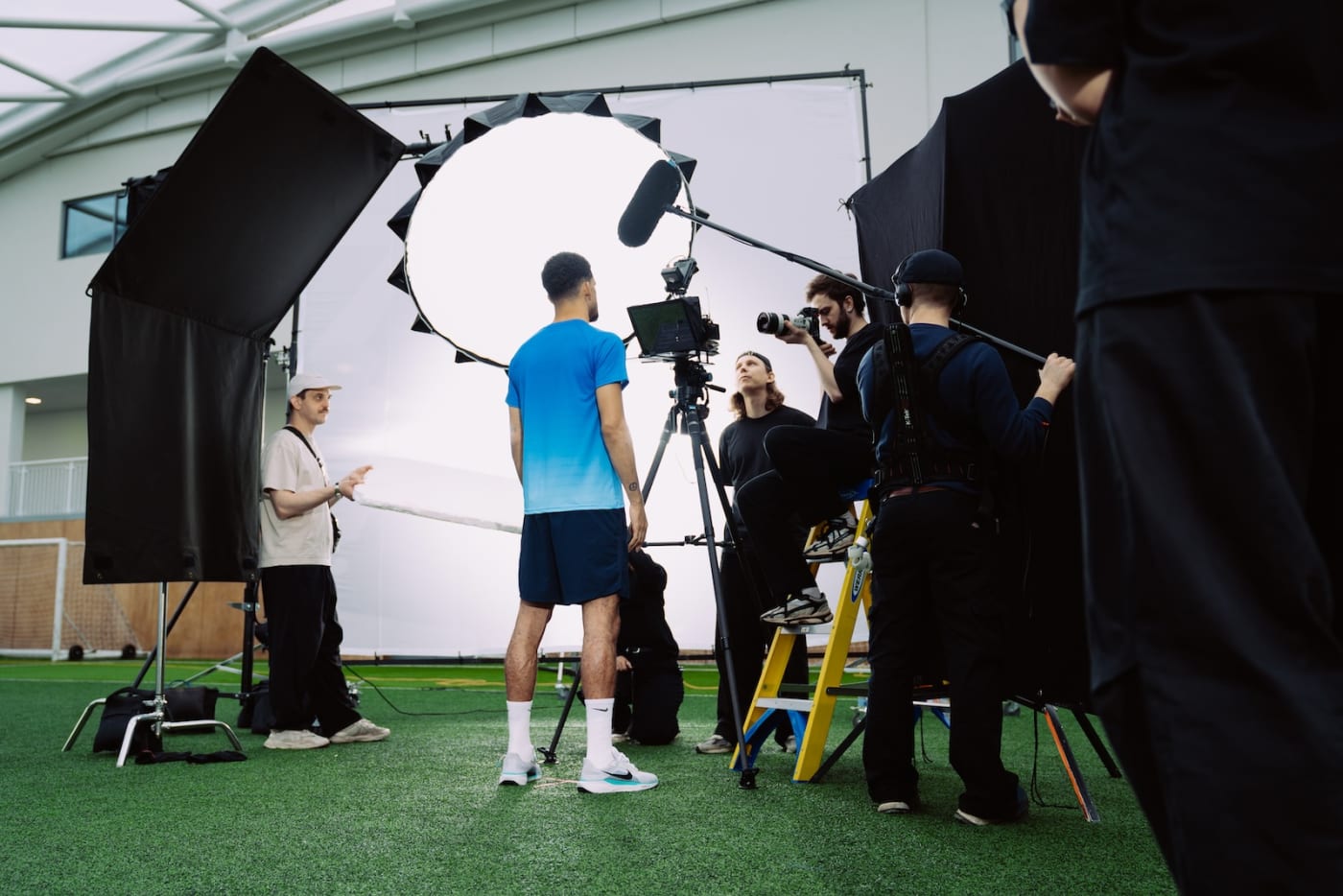
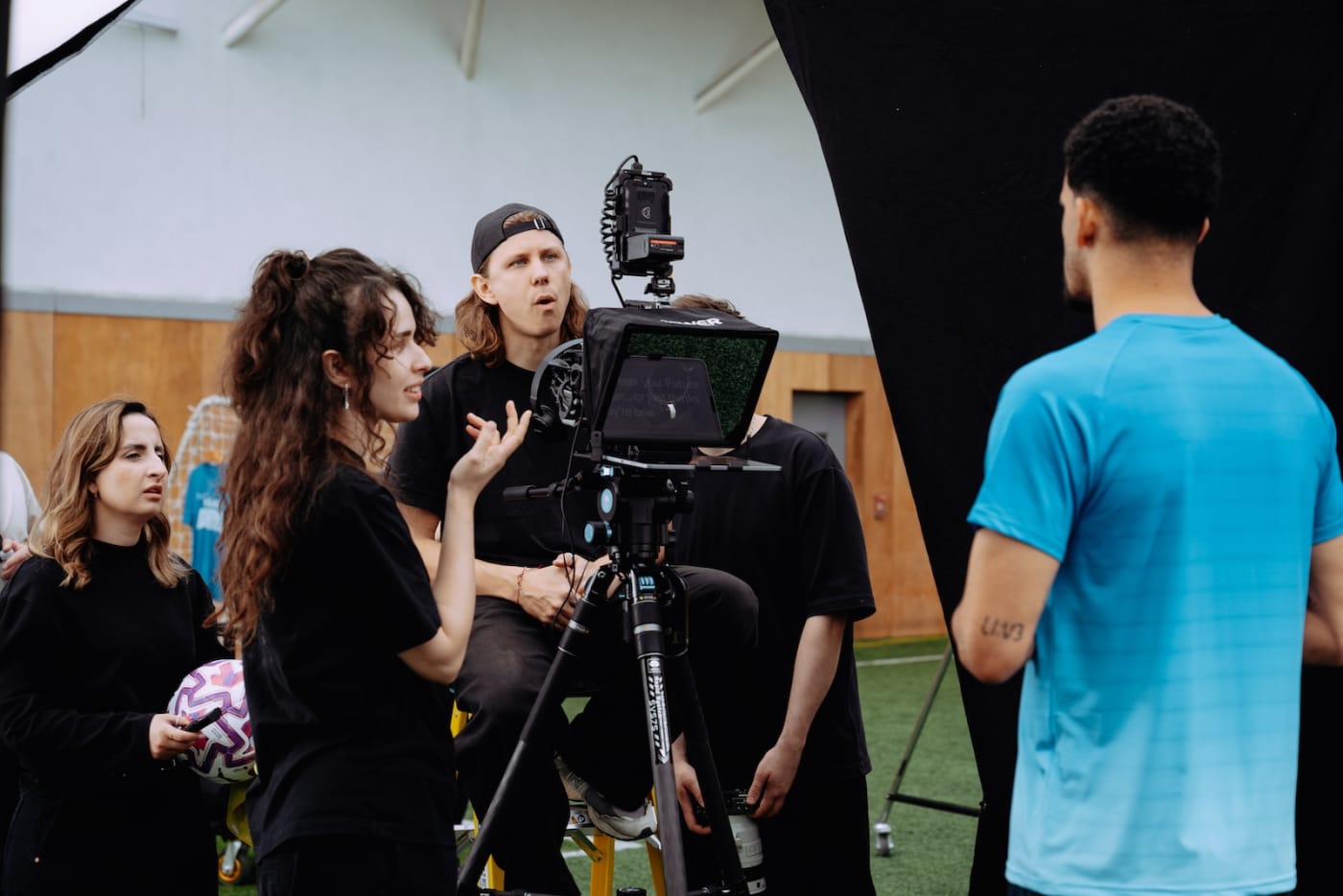
Dominic Solanke on the We Stream set for Kodansha's Blue Lock campaign, with lights, reflector, boom mic and camera crew
The We Stream crew briefing Dominic Solanke beside the camera and monitor on the Blue Lock set
Two We Stream camera operators checking the shot on a cinema camera during the Blue Lock shoot

Heineken × Margot Lee

An 11am call time, a finished cut at 1:34am

A scripted social ad filmed in one morning and edited the same night by one person. The script, the talent and the brand assets were all settled before the shoot, so nothing waited on anyone once filming stopped.

Principle: assets before the shoot

Mazepa's Sabre × Stephen Fry

At the Tower of London the day before

A very dark historic venue and a high-pressure unveiling. We scouted it in advance and advised the organisers to hire extra lighting, which improved the footage for every outlet covering the event. A three-person team handled video, photos and interviews, with the first photos and highlights delivered within hours.

Principle: better than the last one

The team

Small core, full scale when needed

Violet produces; Vitalii is director of photography on smaller shoots and runs operations on larger ones. Together they make every key production decision, with our lead editor in the core team. For bigger productions we bring in specialists we work with regularly, never strangers subcontracted for the day.

There is no fixed ceiling: the crew is sized to the project. The numbers below are what our regular network covers as a starting point, and larger productions scale well beyond them.

The work is serious, and the team is close: board games, PlayStation and football outside shoots, and food ordered for everyone on studio days.

8+camera operators
5+photographers
3+producers
5+assistants
2+sound engineers
1+gaffers
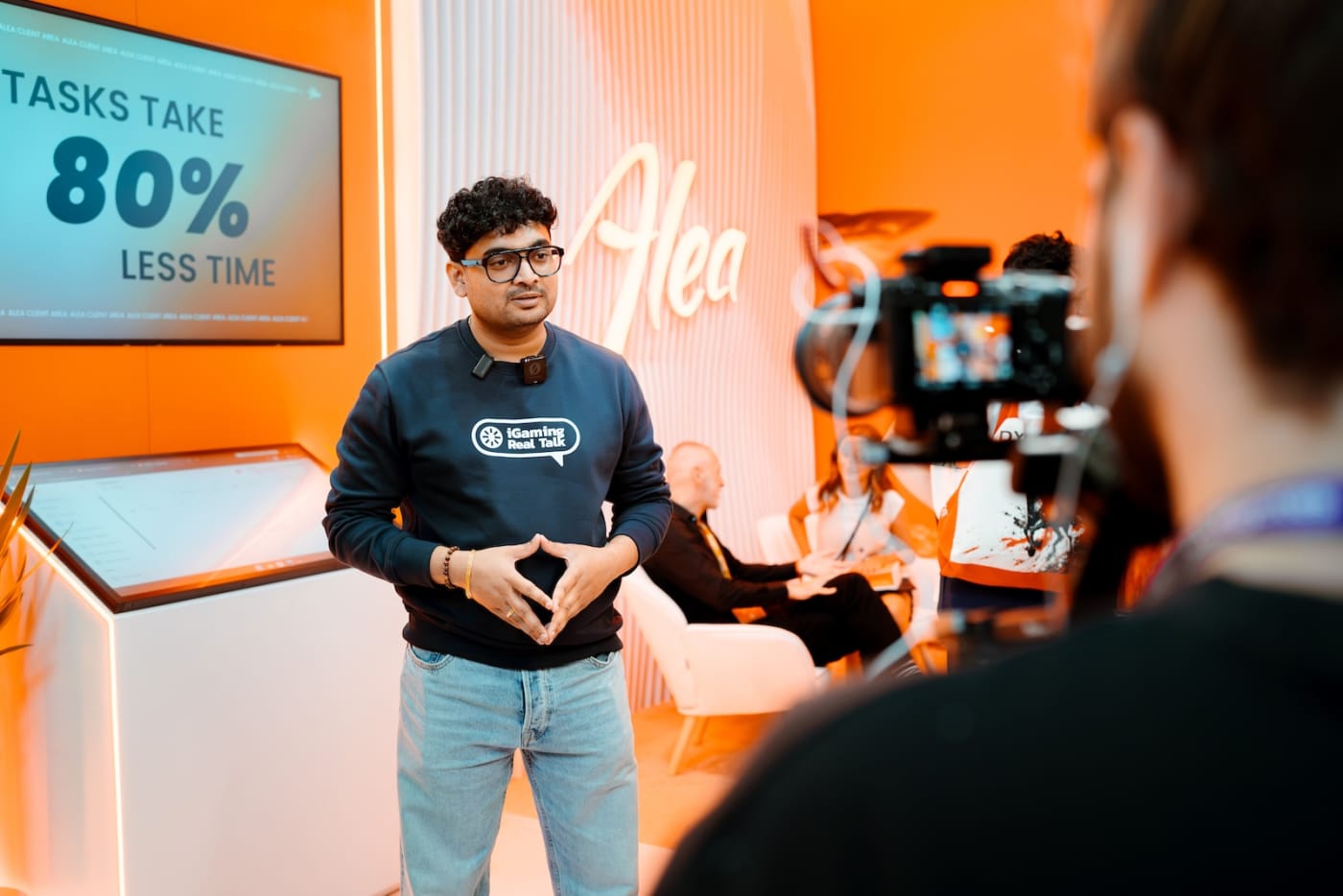
Vitalii Vakulchuk filming a speaker at the Alea stand at IGB Live
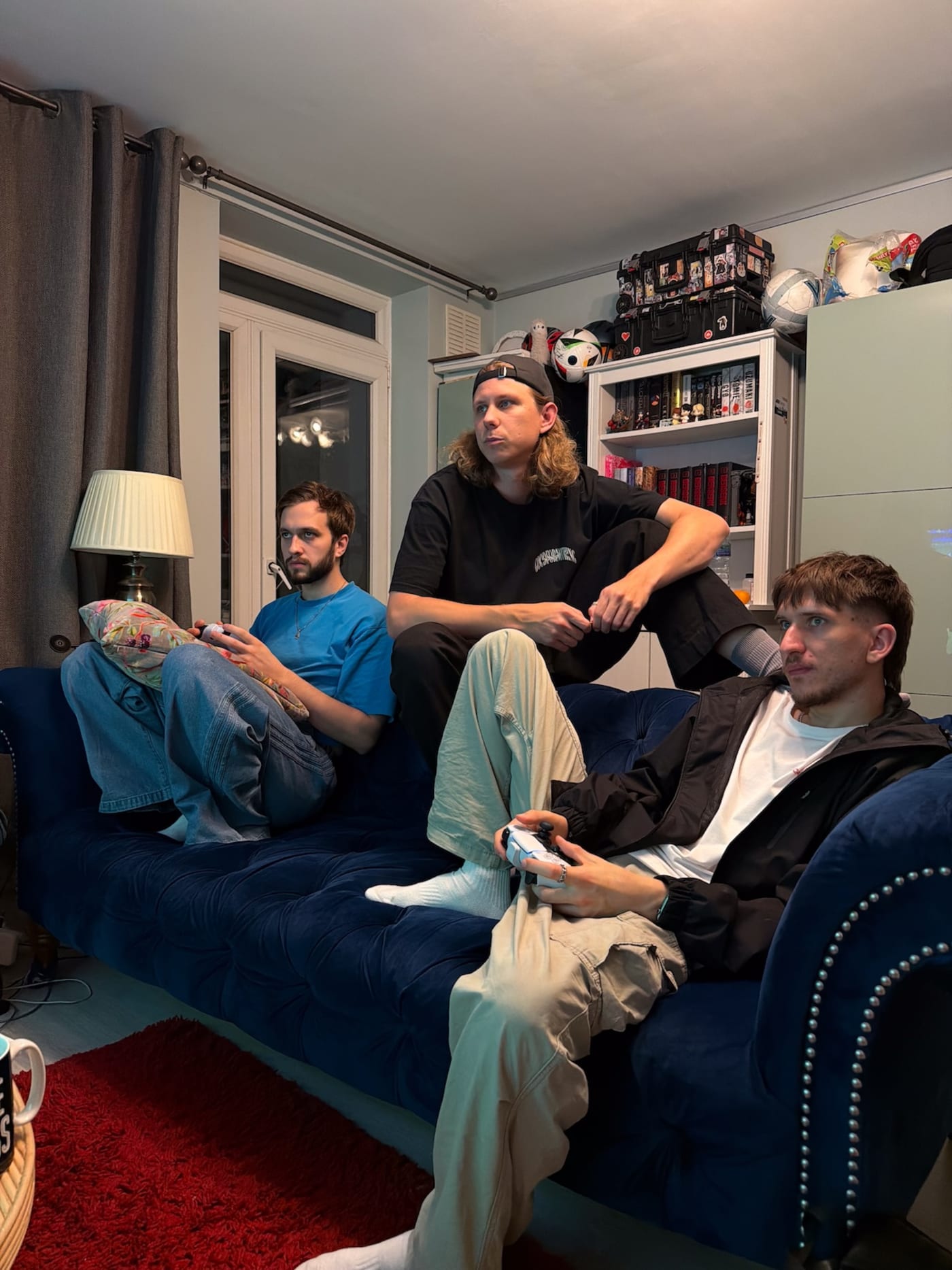
Three members of the We Stream team playing video games on a sofa at home
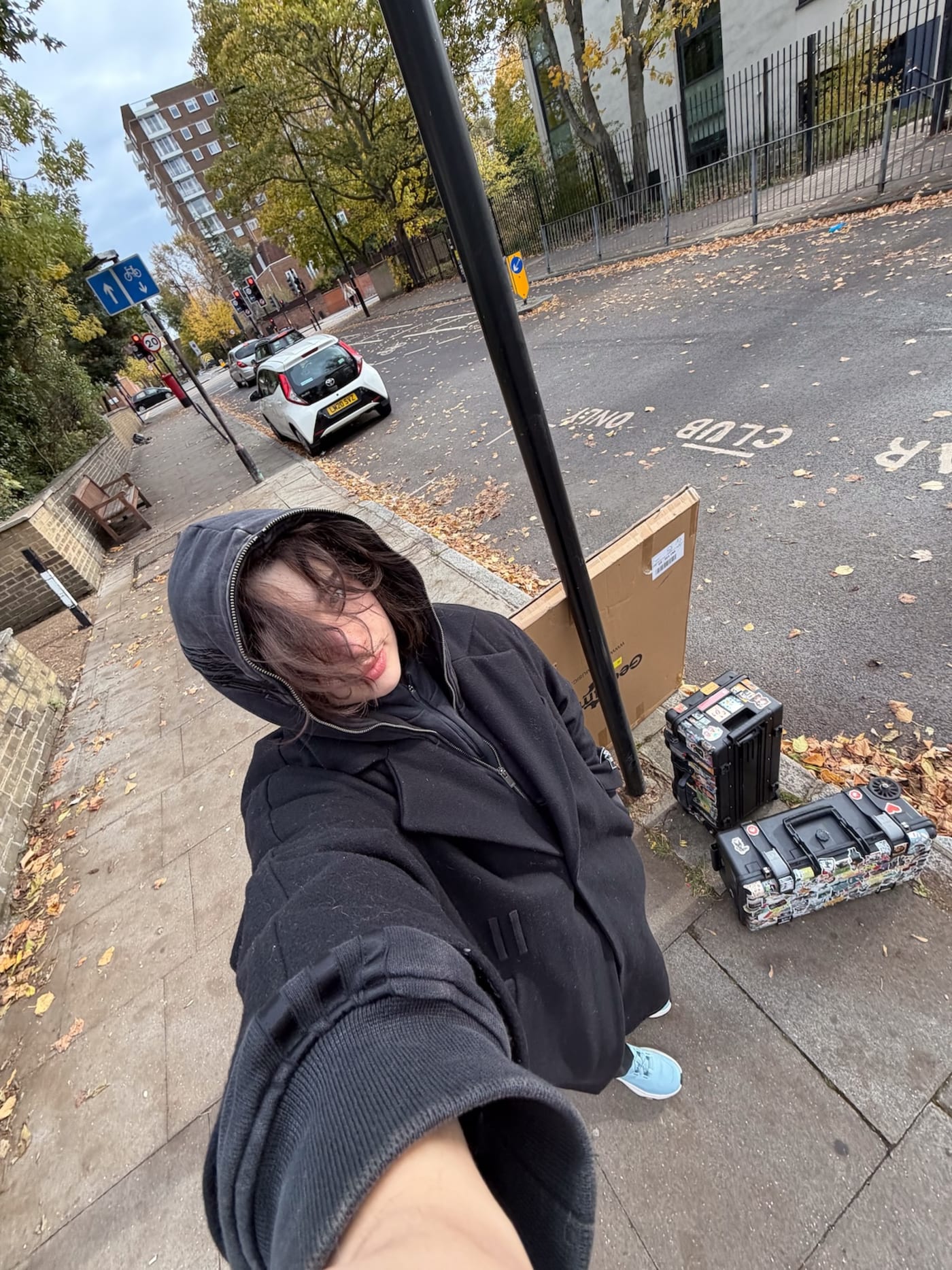
A We Stream team member taking a fisheye selfie on a London street, next to camera cases
On a shoot, and off one.

Boundaries

What we don't take on

Saying this upfront saves everyone time. If your project is on this list, we'll tell you straight away rather than quote for it.

Not our format

  • Weddings and christenings
  • Children's events and birthday parties
  • Personal "walk around London" shoots

Not work we do

  • The adult industry
  • Unsafe working conditions
  • Unpaid shoots "for exposure"

Probably not the right fit

Projects without a production budget, which a freelancer with lower overheads will serve better, and collaborations where time, the crew or the agreement aren't respected.

We work best with companies, brands and organisations that value quality, move fast, and treat their partners as professionals: corporate and brand video, events, interviews, short-form content, and fashion and beauty.

Questions

Frequently asked

What does the name We Stream mean?

"Stream" means flow: working with momentum, but with structure rather than chaos. The name is also personal. The company was founded by Violet and Vitalii, and two Vs make a W.

When was We Stream founded?

We Stream was founded in London in May 2022 by Violet Coretnic and Vitalii Vakulchuk. They had been filming together since 2021, and in 2023 the company started working with a wider crew of camera operators, photographers, editors and sound engineers for larger productions.

Why did Violet and Vitalii start We Stream?

Working as videographers on other people's productions, they saw how often sets were badly planned and how the pressure landed on subcontractors instead of the real problems. We Stream was built to do the opposite: plan properly, communicate clearly, and act as a partner that asks what the video is for, not just a pair of hands.

What happens if we don't send feedback within a week?

Every project includes two rounds of revisions and a one-week feedback window. If no feedback arrives within a week of delivery, the work is treated as approved and final. It keeps projects moving, and it is written into our contracts.

How long do you keep footage after a project?

Project files are kept for two months after delivery. When raw footage is part of the brief, it is shared as organised folders on Google Drive, so you keep your own copy.

What happens if equipment fails during an event?

Very little. Every event crew carries a spare camera, extra cards and batteries, and two to three laptops, and everyone shoots the same Sony kit, so parts swap between operators. There are at least two of us on site, and footage is backed up before anyone leaves.

What projects don't you take on?

Weddings, christenings, children's events, birthday parties and personal shoots. We don't work in the adult industry, in unsafe conditions, or for free in exchange for exposure. Projects without a production budget are usually better served by a freelancer with lower overheads.

How does We Stream staff larger productions?

The core team runs every project, and the crew is sized to the job, with no fixed ceiling. Our regular network alone covers eight or more camera operators, five or more photographers, three or more producers, gaffers, sound engineers and assistants, and larger productions scale beyond that with specialists we have worked with before.

What is the smallest job you take?

Two hours of filming at £300 an hour, £600, for teams with their own editor. The smallest edited package is a single Reel from £1,100. Full prices are on our prices page.

Write us
© All rights reserved. We stream
team@westream.uk