Video production timeline: what each stage actually takes and why it slips
Guide · Production timelines
Most timelines don't fail because the crew is slow. They fail because nobody planned the approvals.
The timeline a production company gives you at the start of a project is an estimate built on assumptions. How quickly you'll return feedback. Whether the stakeholders who weren't in the briefing call will have opinions about the edit. Whether the approved music track turns out to be unlicensed for commercial use three days before delivery.
Here's what each stage actually involves, where the time goes, and what you can do before the shoot to stop it disappearing later.
One number decides more than any other, and it isn't the edit. It's how long internal approval takes at your organisation. Build the project around that, not around the production schedule.
At a glance
The full timeline, honestly
Typical ranges for a London corporate or brand project, and for event coverage. Every stage except approval is inside the production company's control.
| Stage | Corporate or brand | Event | What it covers |
|---|---|---|---|
| Pre-production | 2 to 4 weeks | 1 to 2 weeks | Brief, locations, scheduling, assets, music, scripts |
| Shoot | 1 to 2 days | 1 day | 8 to 10 hours per day, including setup |
| Editing | 7 working days | 24 to 72 hours | Longer for a series of deliverables; same-day is an add-on |
| Approval | 2 days to 2 months | Hours to days | Entirely dependent on your internal process |
| Brief to delivery | 6 to 8 weeks | 1 to 2 weeks | 4 weeks when pre-production is tight and sign-off is short |
Six to eight weeks brief to delivery is realistic for a well-managed project with a responsive client. Four weeks is achievable when pre-production is tight and the approval chain is short. Twelve weeks or more is common when nobody agreed the approval structure and stakeholders review one after another. Our standard delivery is 5 working days for photography and 7 for video; same-day is +£400 on photography and £400 to £1,500+ on video, see prices.
Stage one
Pre-production: the stage that determines everything else
Done properly, it compresses every stage that follows. Skipped or rushed, it spreads its problems across the rest of the timeline, where they're much harder to solve.
Brief development, location scouting, shot list planning, scheduling interviews, collecting brand assets, approving music, writing and reviewing scripts if the project needs them. Two to three weeks is realistic for a straightforward corporate video or interview series. Four to six weeks is more honest for a campaign with multiple locations, a lot of interview subjects, or real scripting.
That said, when a client is organised and decisive, the timeline compresses. We took a brand video from brief to shoot in one week for AM Insights. It's possible. It requires the client to move as fast as we do.
The part clients consistently underestimate is internal coordination. Getting four executives to confirm availability for a shoot day. Getting legal to review the interview questions. Getting the CEO to approve the creative direction. None of it is the production company's job to chase indefinitely, and each delay pushes the shoot, which pushes the edit, which pushes delivery. It compounds.
One rule prevents most of this. Collect all brand assets, logos, fonts, colour codes, licensed music and any existing footage, before the shoot, not after. If editing can begin the evening a shoot wraps, turnaround is measured in days. If the editor is waiting for an approved logo file on day four of post-production, it isn't.
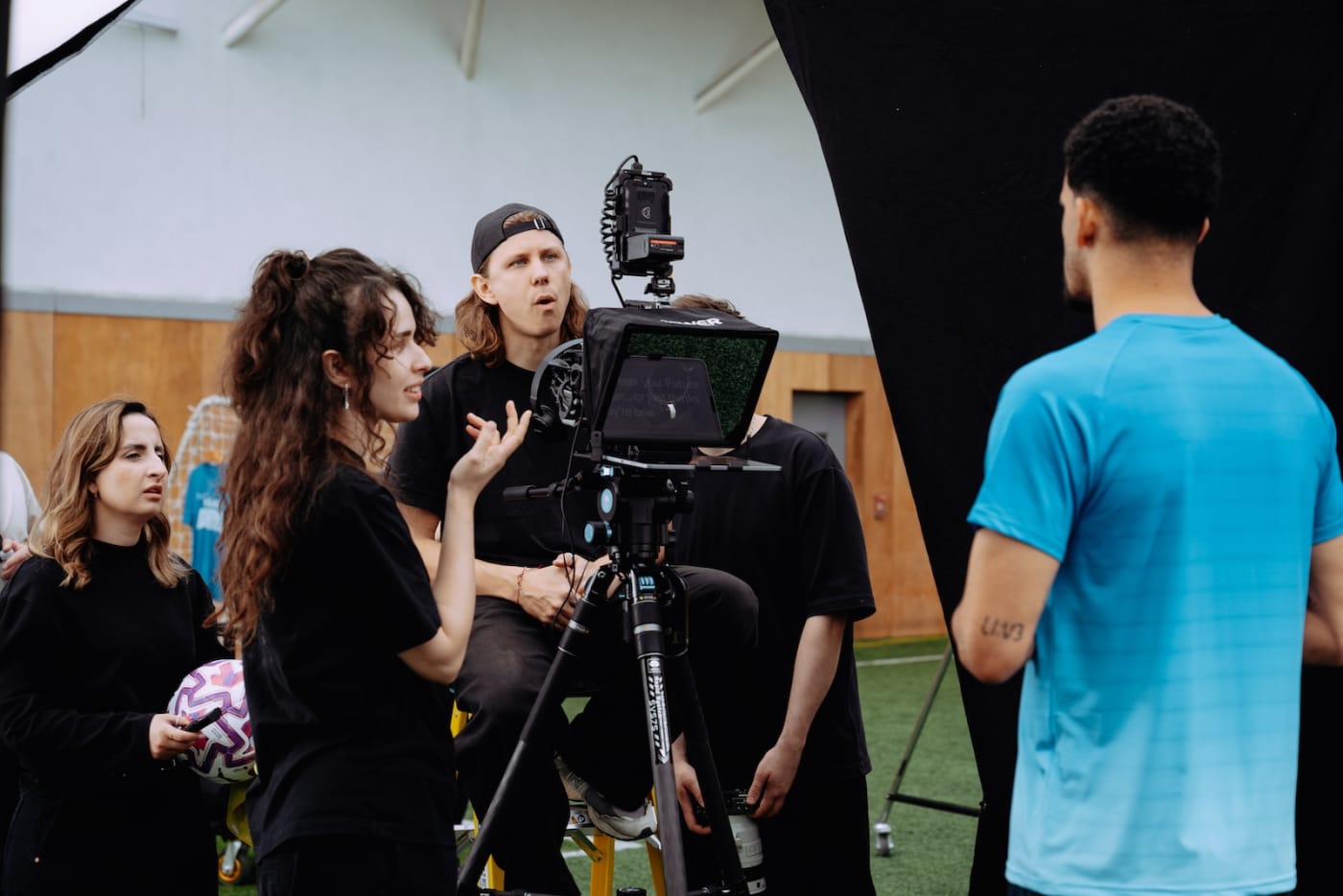

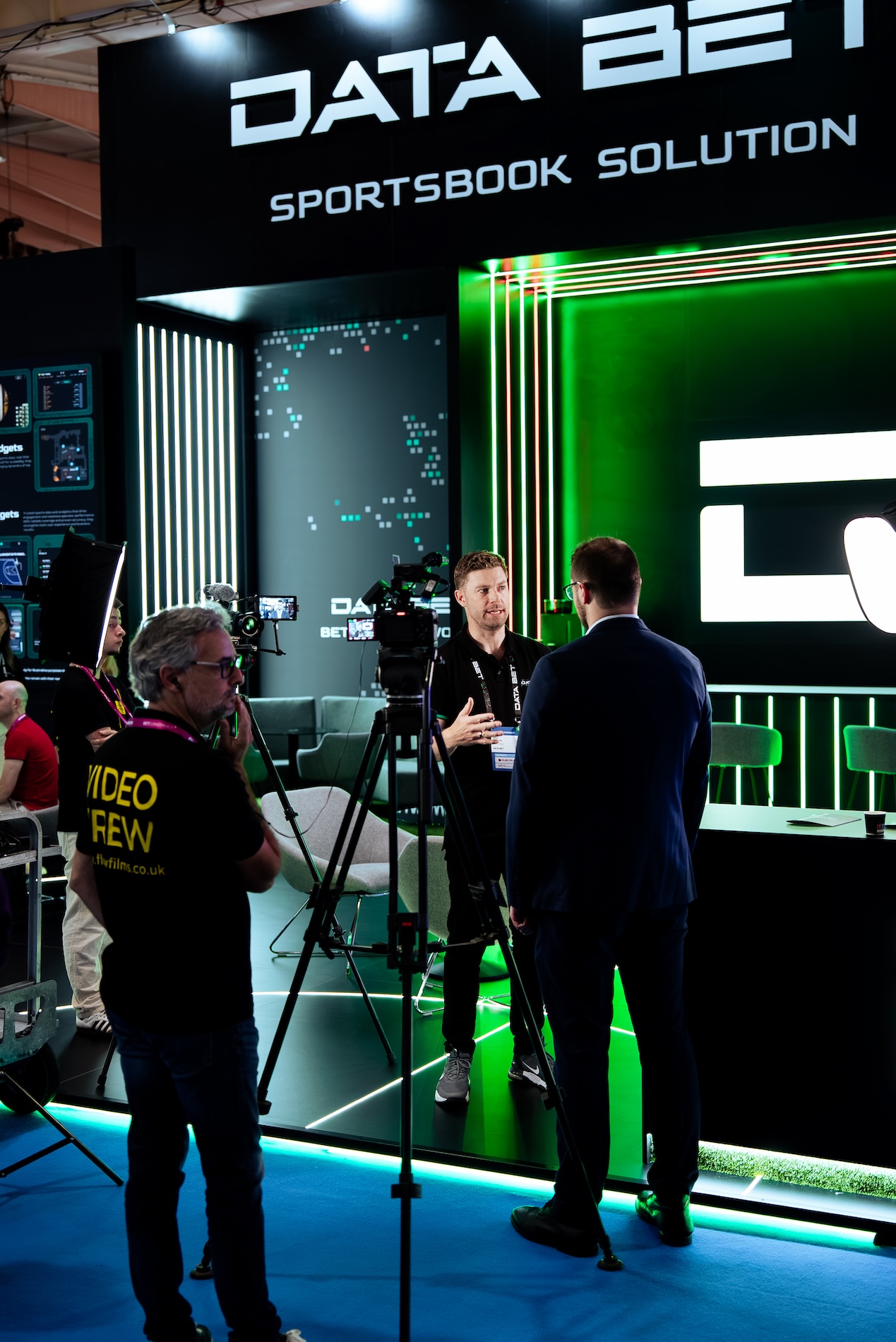
The plan is the part that makes the shoot day short.
Stage two
The shoot day itself
Shoot day schedules built around time slots rather than setup logic routinely run over. The calendar looks orderly. The day doesn't move that way.
Running three interviews back to back in the same location is faster than running them at 9am, midday and 3pm with two lighting resets in between.
For Cytec we put a producer, two camera operators, a gaffer and a sound engineer on the ground and filmed seven interviews in one day. That crew was the answer to that output. One person doing the same job needs two days at minimum, and the audio from the panel discussions would have been a different proposition without a dedicated sound engineer on a house feed.
The shoot day produces raw material. How usable it is depends almost entirely on what happened in pre-production.
Stage three
Post-production: where most timelines actually live
The edit and the approval get treated as one stage. They're two different things with two different sets of variables.
Editing · we control this
7 working days
Sorting footage, a rough cut, refining, colour grade, audio mix, graphics and music. That's the standard window for a corporate or brand film, and up to three weeks when the project is a series of deliverables rather than one video.
Approval · you control this
2 days to 2 months
We've delivered edited footage four days after a shoot and waited weeks for final sign-off. The editing wasn't the delay. Stakeholders who hadn't been in the brief met the creative direction for the first time in their inbox, with fundamental questions that belonged in pre-production.
The fix is simple to describe and rarely implemented. Agree who reviews the edit, what one consolidated round of feedback looks like, and who has final sign-off, before the shoot, in writing. If the CEO approves the brand film, they should see a reference cut or a written brief before filming begins, so their feedback is directional rather than structural.
Every project we take on includes two rounds of revisions and a one-week feedback window: with no feedback inside that week, the video is approved and final. It's in the contract, and it's the reason a project can't quietly drift for six months.
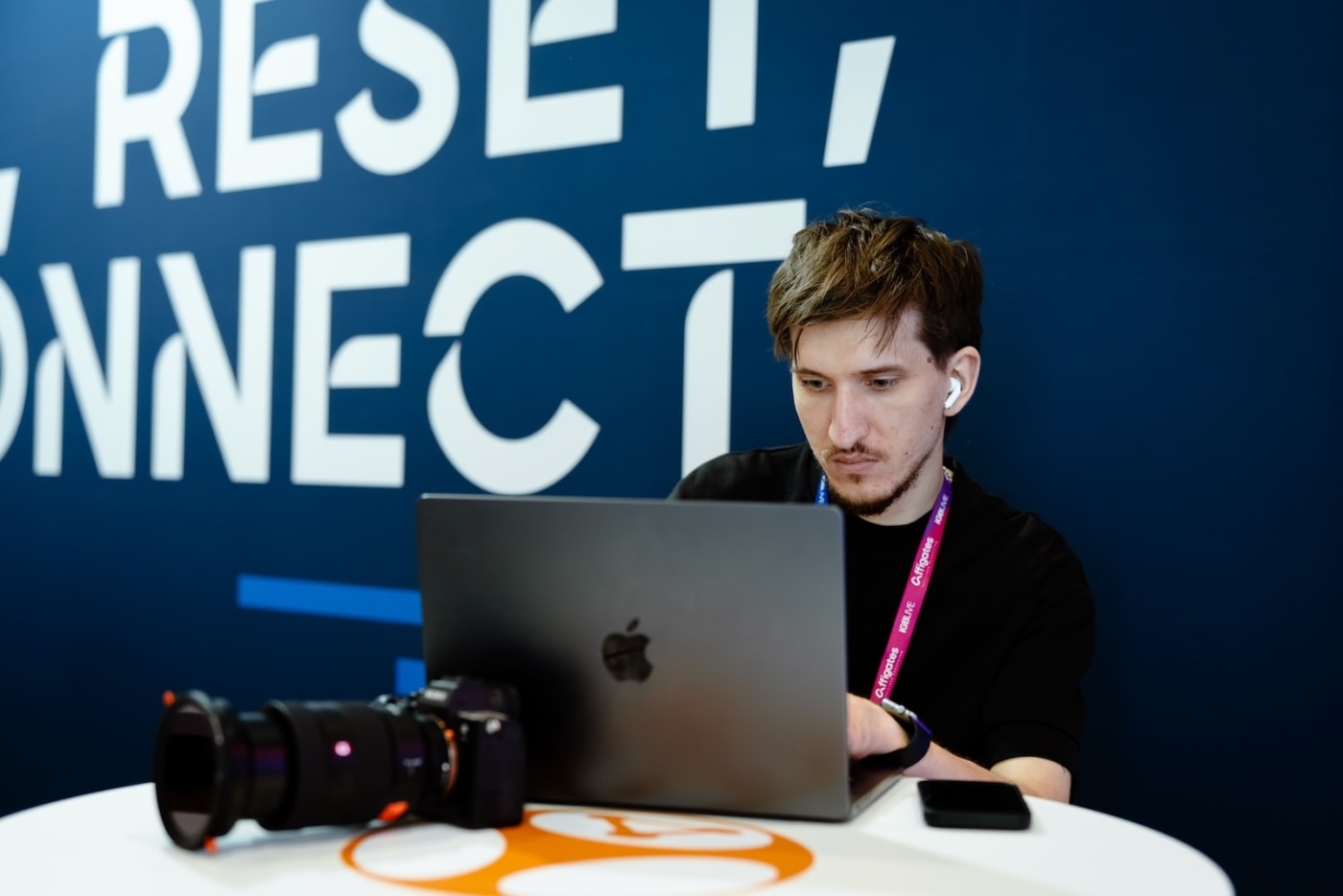
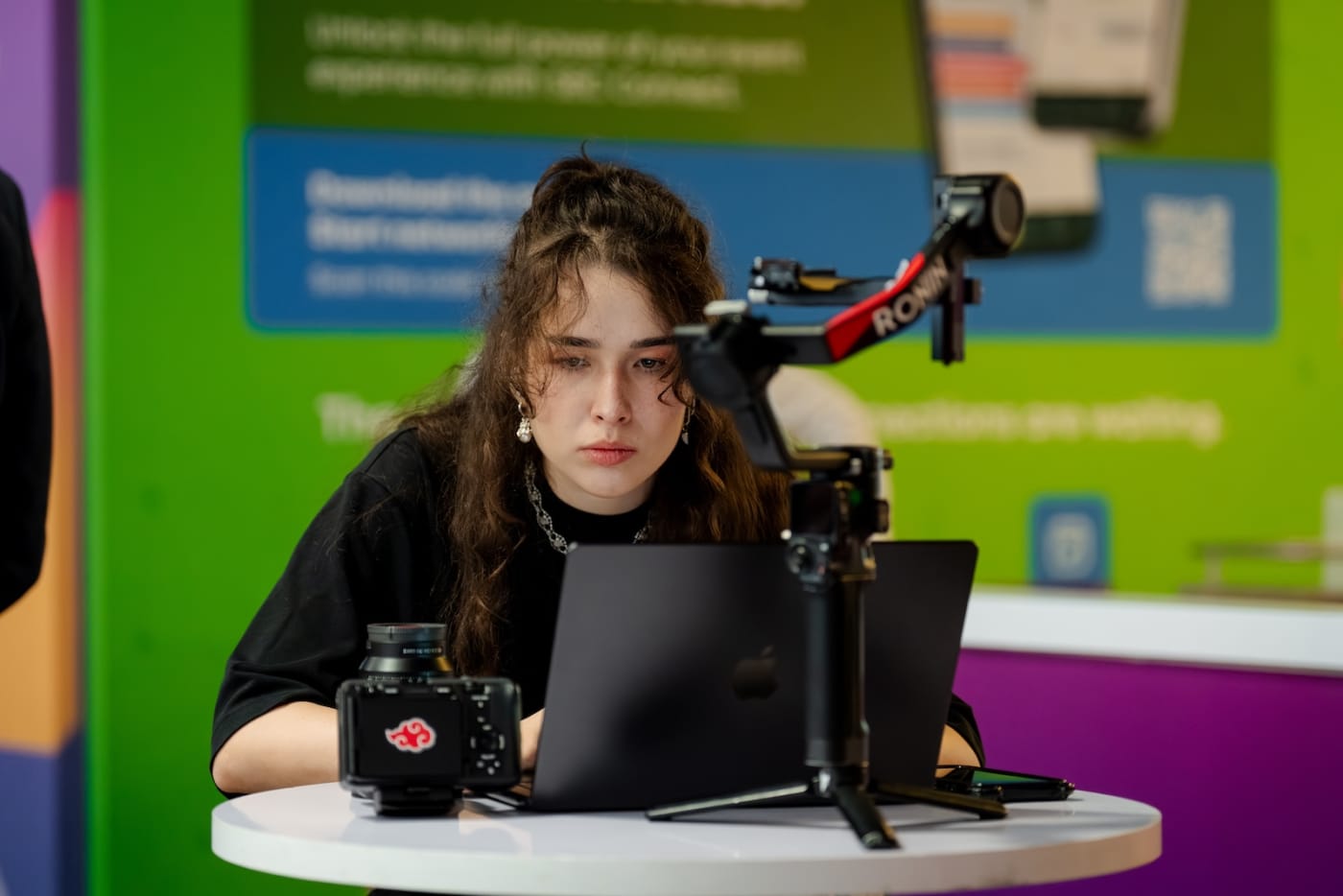
Editing on site, so the first cut exists before the event ends.
Revisions
Two rounds, and why they expand
Two rounds of revisions and a one-week feedback window are included in every project. Three things stretch them.
Feedback arrives unconsolidated
Five people sending separate notes over four days, rather than one document with agreed changes. Each note is a new round in practice, whatever the contract says.
The brief moved
A formal, executive-facing tone was approved at the brief, and someone watching the first cut thinks it should feel warmer. That's not a revision. That's a creative redirection, and it carries the time cost of one.
Someone missed the briefing
They see the first cut, have a different idea of what the video should be, and their feedback arrives without the context that shaped the original decisions. Almost always a pre-production problem.
Speed
Fast turnaround: what it actually requires
Not working faster on the day. Eliminating every decision that would otherwise be made under pressure.
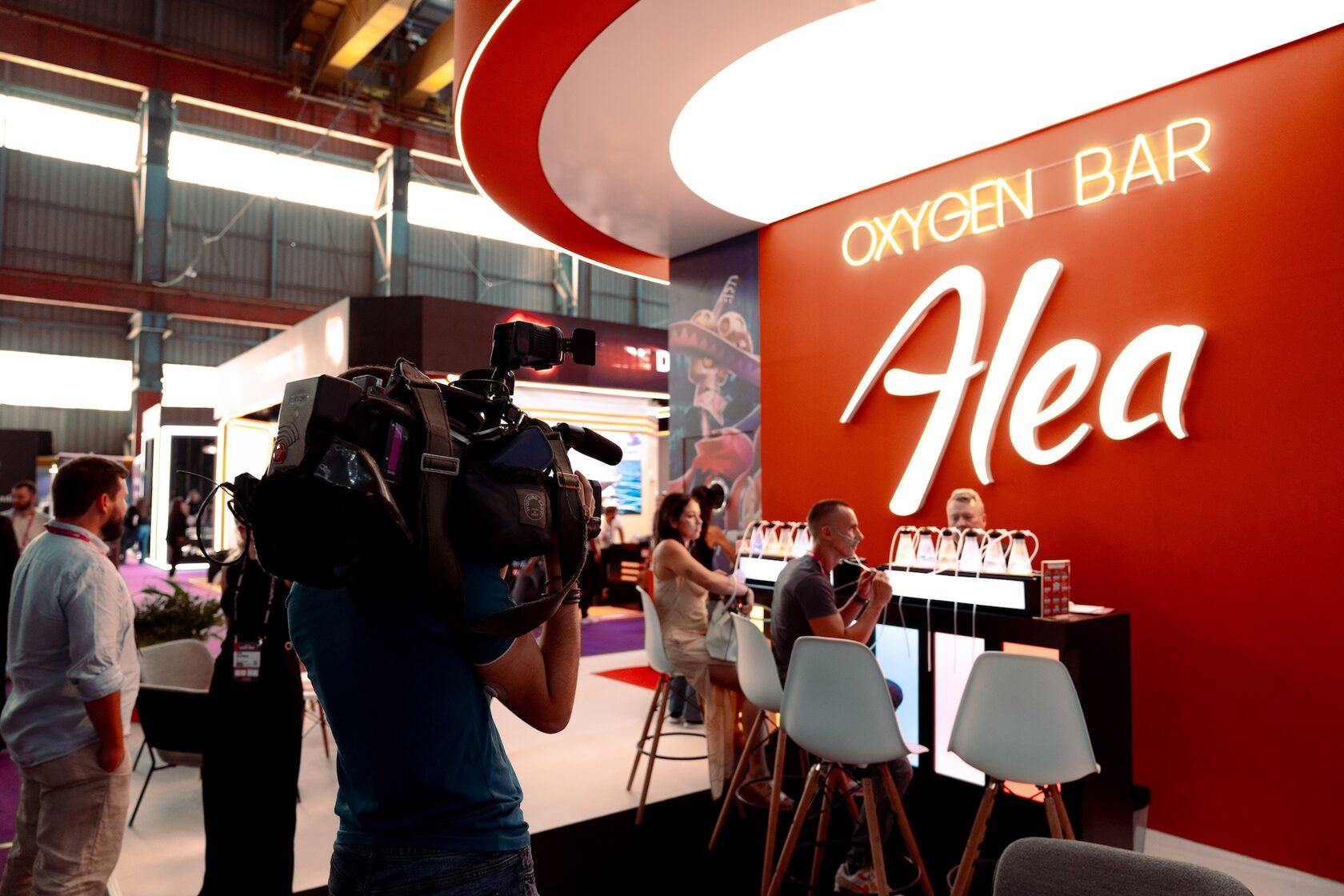
Same-day photo delivery during an event is a different capability from post-event delivery: it needs an editor or second producer turning around selects while the event runs. One operator cannot shoot and edit at the same time. Nobody can.
On the record
Projects behind the numbers
Every timeline on this page comes from work we've delivered. Tap a film to play it.
DATA.BET ICE 2026
Stand film cut during the show
AM Insights
Brief to shoot in one week
Cytec
Seven finished videos from one day
Park Lane
A brand story across Dubai and London

What slippage usually signals
Late in post is a pre-production problem
The brief wasn't detailed enough, so the edit surprises someone. The wrong stakeholders were aligned, so new opinions appear at review stage. The approval chain wasn't agreed, so feedback arrives in rounds over weeks. The assets weren't collected in advance, so editing couldn't begin when filming ended.
All of these are solvable before the shoot. After the shoot, they're just time.
Before the shoot
Six things to lock down
Agree these in writing and the timeline stops depending on luck.
- The approval chain, in writingWho reviews the edit, who has final sign-off, and what one consolidated round of feedback looks like.
- Brand assets, before the shootLogos, fonts, colour codes, licensed music and any existing footage. Not on day four of the edit.
- Music cleared for commercial useAn approved track that turns out to be unlicensed three days before delivery costs a week.
- The senior stakeholder, earlyIf the CEO signs off the film, they should see the brief or a reference cut before filming, so their notes are directional rather than structural.
- Dates confirmed by the people on cameraFour executives and one diary clash moves the shoot, which moves everything else.
- What the video is forThe single question that decides the crew, the kit and the edit. Agreed at the brief, not at review.
Questions
Frequently asked
How long does corporate video production actually take?
Six to eight weeks from brief to delivery is realistic for a well-managed project with a responsive client. Four weeks is achievable when pre-production is tight and the approval chain is short. Twelve weeks or more is common when the approval structure was not agreed in advance and stakeholders review one after another. The number that decides it is rarely the edit: it is how long internal approval takes at your organisation.
Why does pre-production take two to four weeks?
Brief development, location scouting, shot lists, scheduling interview subjects, collecting brand assets, approving music, and reviewing scripts where a project needs them. Done properly it compresses every stage after it. It can be faster: we took a brand film from brief to shoot in one week for AM Insights. What clients underestimate is internal coordination, such as getting four executives to confirm a date or legal to clear the questions.
What is the difference between editing time and approval time?
They are two different stages with different risks. Editing a standard corporate or brand film takes about 7 working days, and longer for a series of deliverables; that part is under our control. Approval is not, unless the review structure was agreed before the shoot. We have delivered an edit four days after a shoot and then waited weeks for sign-off, because people who had not seen the brief met the creative direction for the first time in their inbox.
Why do video production timelines slip at the post-production stage?
A timeline that runs late in post is almost never a post-production problem. The brief was thin, so the edit surprised someone. The wrong people were aligned, so new opinions arrived at review. The approval chain was not agreed, so feedback came in waves. The assets were not collected, so editing could not start when filming stopped. All of it is fixable before the shoot; afterwards it is simply time.
How do you deliver video on the same day?
By removing every decision that would otherwise be made under pressure: music approved beforehand, brand assets with the editor before filming starts, the rough structure agreed in pre-production, and enough crew that someone can log and cut while someone else is still shooting. Same-day delivery is +£400 on photography and £400 to £1,500+ on video, depending on footage volume and camera count, and it has to be planned before the shoot.
Why do revision rounds expand beyond the two included?
Because feedback arrives unconsolidated, with five people sending separate notes over four days instead of one agreed document. Or because the brief moved: a tone approved in pre-production is questioned at the first cut, which is a creative redirection rather than a revision. Every project includes two rounds and a one-week feedback window; with no feedback inside that week the work is treated as approved, which keeps a project from drifting for months.
How long does event video take compared to corporate video?
Event timelines are shorter because pre-production is logistical rather than creative. One to two weeks of preparation, one shoot day, and a highlight film within 7 working days as standard, with 72 hours being our average. Press-ready photos can be delivered during the event itself if that was built into the brief: at the Trafalgar Square unveiling with Oleksandr Usyk and Richard Branson they went out 20 minutes after the moment.
Planning a project now? Our prices page lists what each service costs, and corporate video production covers how we run brand and interview work.

team@westream.uk