Brand & Commercial Video Production London
Most corporate video looks like corporate video: a founder in a nice office, some b-roll of people typing, a voiceover that could belong to any company in any industry. The work below isn't that. It's a 20-year partnership film for two enterprise brands, an interview day that got moved venues to save a client money, a cybersecurity company's entire team compiled into one film that explains who they are. We're a London-based production team, and this is brand and commercial video the way we make it.
We Stream is run by Violetta Coretnic and Vitalii Vakulchuk. Both have been on-site, behind the camera or producing, for most of the case studies on this page.
Before you book
What people forget to ask about
A quote that just says "video production, £X" is missing the information that matters: how many crew, how many days, what post-production is included.
Nobody's hiding the gaps on purpose. They're just easy to leave unasked, and they show up later.
An overrun means another filming day at full rate.
Two rounds are included in every price. A third is £100 to £200, depending on the size of the changes.
A rush edit inside 48 hours is +£400, and overnight delivery is from +£900. Ask mid-project and it still has to be scheduled.
An extra vertical cutdown of a finished video is £150. Scoped upfront it is part of the quote; asked for afterwards it is a separate line.
None of it's unreasonable. It's just easier to ask before filming starts than after the invoice lands.
Case study – Cytec
Seven interviews, one day, one relocated shoot that saved the client £800.
A day of interviews doesn't sound complicated until you're the one running it. Cytec brought us in to film their team alongside client testimonials, voices from Aviva, Rolls-Royce, and Curry's plc among them, built around brand values, company culture, and the appointment of a new CEO. Seven interviews, one day, a full crew: producer, two camera operators, gaffer, sound engineer.
Before any of that happened, we scouted the original location and told Cytec it wouldn't work on camera. Moving to a more dynamic setting saved them £800 before filming even started. B-roll came later, and the final delivery was seven complete videos, not one film cut seven ways. Seven distinct pieces built to stand alone.
Case study – DXC Technology × Luxoft
A twenty-year partnership, told through the people who lived it.
Twenty years is a long time for two companies to keep working together, and that was the actual subject of this film. Not a generic "about us," but the Murex partnership itself, told through the people who'd lived it. Interviews with senior executives, including Shane Jones, EMEA Director of Trading & Risk Solutions, ran alongside b-roll of the London office.
The brief was collaboration and cloud integration in financial services, which is not naturally cinematic subject matter. What made it work was treating the partnership as the story, rather than treating either company as the subject and the other as a footnote.
Case study – Maze
Nine interviews, one offsite, one film to say exactly who Maze is.
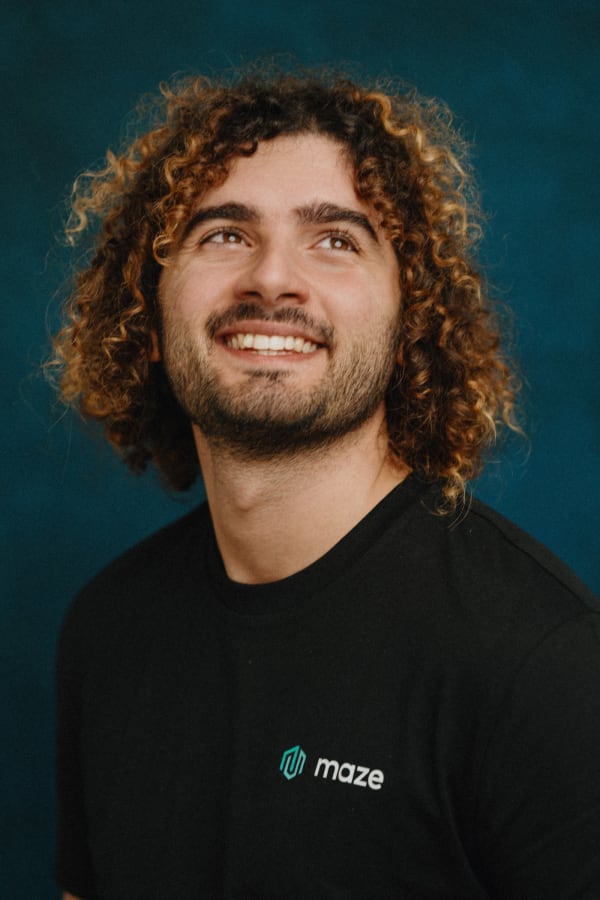
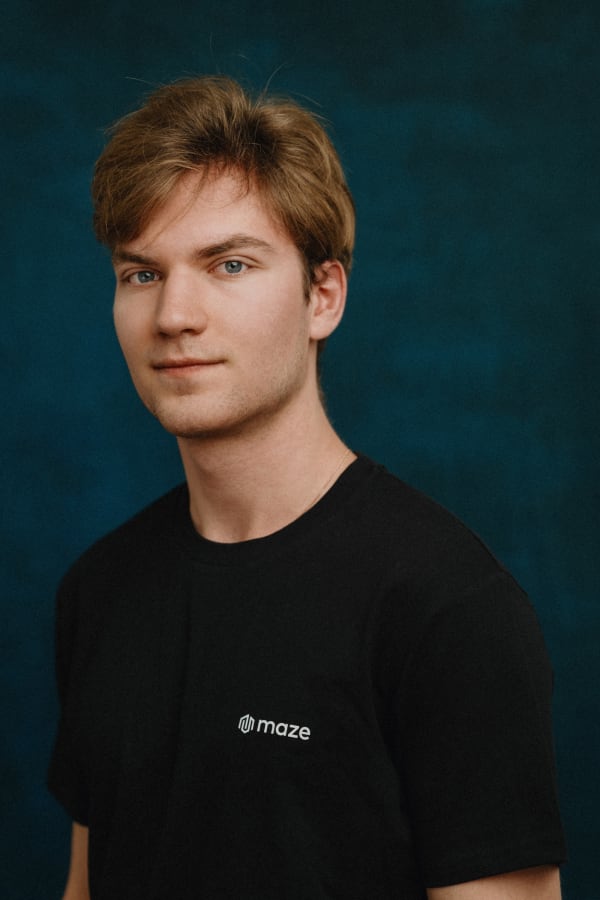
Maze wanted one thing to be unambiguous by the end of the film: that they're a cybersecurity company, not a vague "tech" brand. We went to their off-site location and filmed interviews with most of the team, plus a deeper, more comprehensive interview with the founders, and compiled all of it into one piece built to introduce Maze and establish exactly what they do.
The crew reflected how much was happening at once: a producer, three camera operators, a sound engineer, and a gaffer, with a separate photographer covering portraits alongside it, using a full backdrop setup. Nine interviews were filmed in total, alongside extensive b-roll for video and a large batch of photos built for Maze's own articles and content bank. Between the crew size, travel costs, and editing across both video and photo deliverables, the offsite came to almost £12,000.
This wasn't the first time we'd worked with Maze, either. An earlier project, filming a founder interview for the launch of another of their companies, was a much lighter lift: less pre-production, less crew, a smaller film for a smaller moment. The bigger piece came once the relationship was already established.
Case study – Heineken × Margot Lee
A phone case that made Heineken's point for them.
Built around a genuinely simple idea: a phone case that automatically flips over when someone says "cheers," nudging people to put their phones down and be present with each other. Filmed with influencer Margot Lee in a lively social setting, the campaign carried Heineken's message about digital balance without needing to say it outright. The product did the explaining.
The brief called for a 60-second lighthearted video sticking to a set script, filmed in one morning and edited the same night: shooting started around 11am, and a finished cut was in Margot's hands by 1:34am, under 15 hours from camera to a video worth showing a client. When the track Margot suggested didn't feel right for the edit, we pushed back and sourced other options rather than filming to a song that undersold the video.
Two edits went out in the end, the original 60-second cut and a trimmed 40-second version for a different placement, both approved. Beyond the hero video, we shot a set of Instagram Stories to go with it (an unboxing shot, a solo texting shot, a shot of both phones flipping over) as an addition to the original brief rather than a reshoot. We handle subtitles and on-screen text ourselves as standard, but stepped back on both here so it read as Margot's own voice, not ours.
Heineken approved the final cut with no major changes and co-posted it officially.
Case study – NOA
A growth story told entirely on the move.
A brand story built entirely around motion, literally. Founder Lily walked through London on camera, telling NOA's growth story and its impact on the community it serves, cut for Instagram with fast, energetic transitions and a personal voiceover carrying it through. Full production cycle, filming to final delivery, in three days.
Two camera operators and a producer/assistant on set, an eight-hour filming day, and four rounds of revisions during editing. The whole production came to £4,000.
A stylist and a photographer were also on set for this one, though neither was organised through us. NOA brought them in separately, and we worked around their setup rather than coordinating it.
 AM Insights
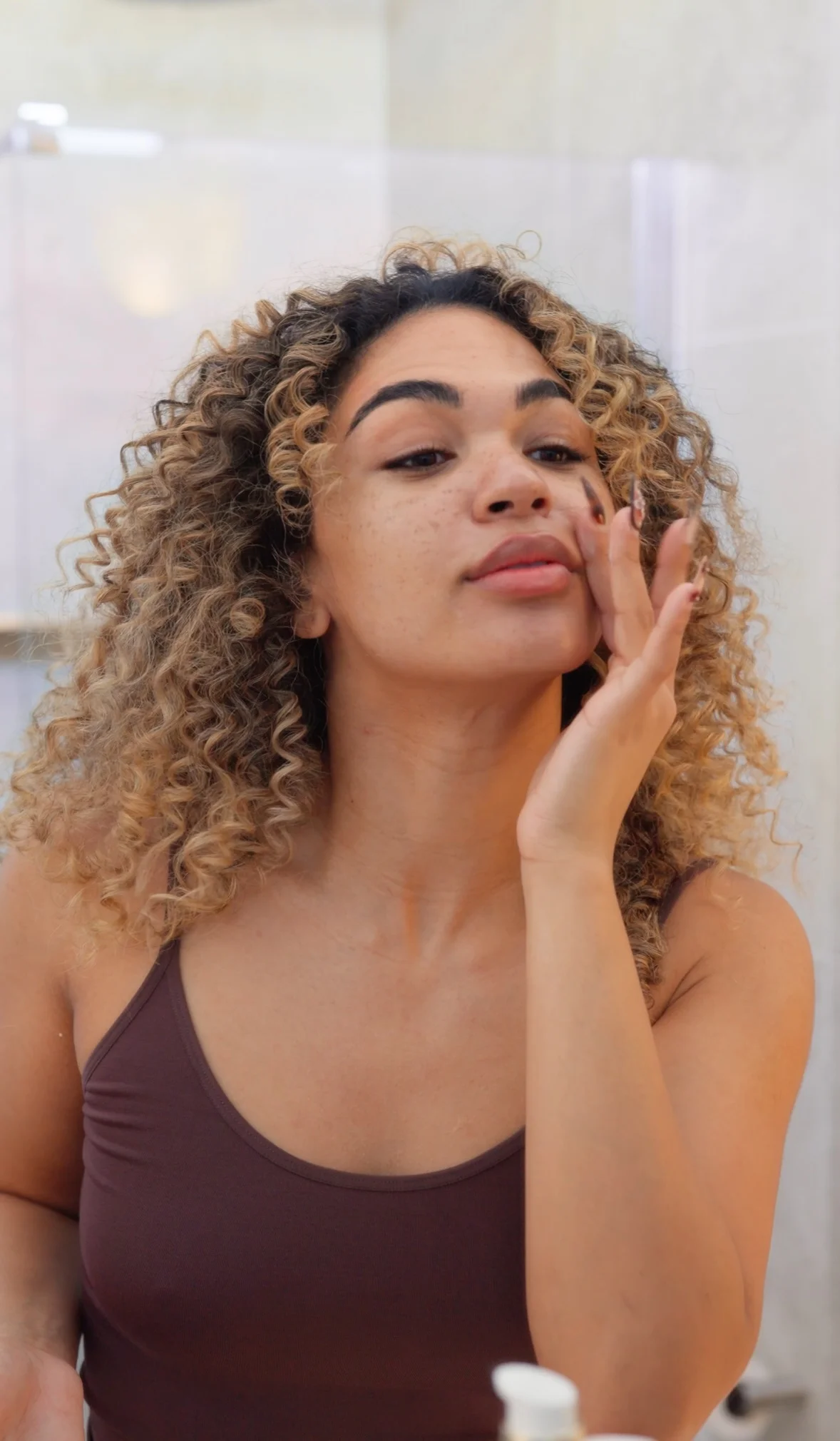 Sunday Riley
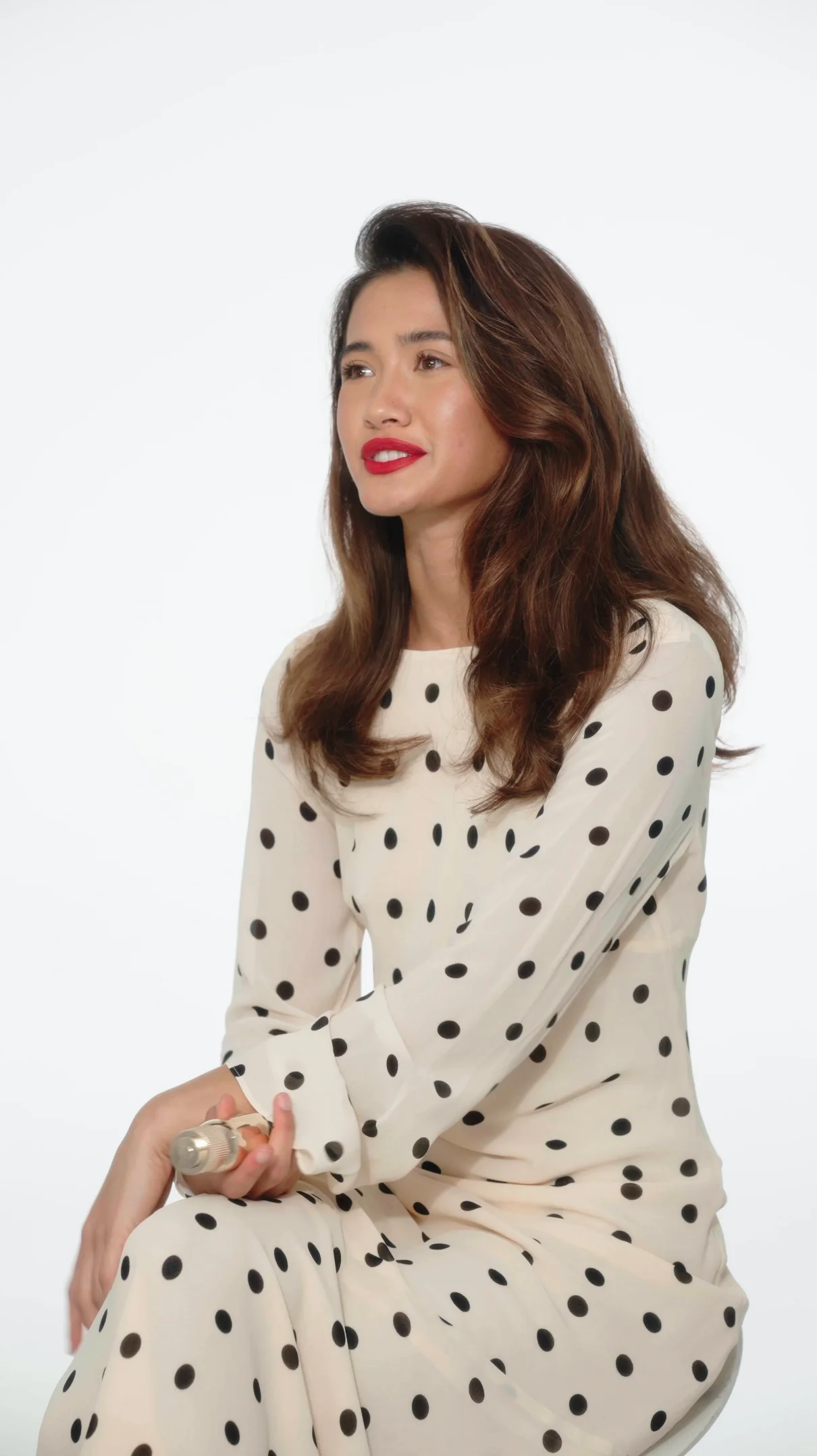 Lunesi
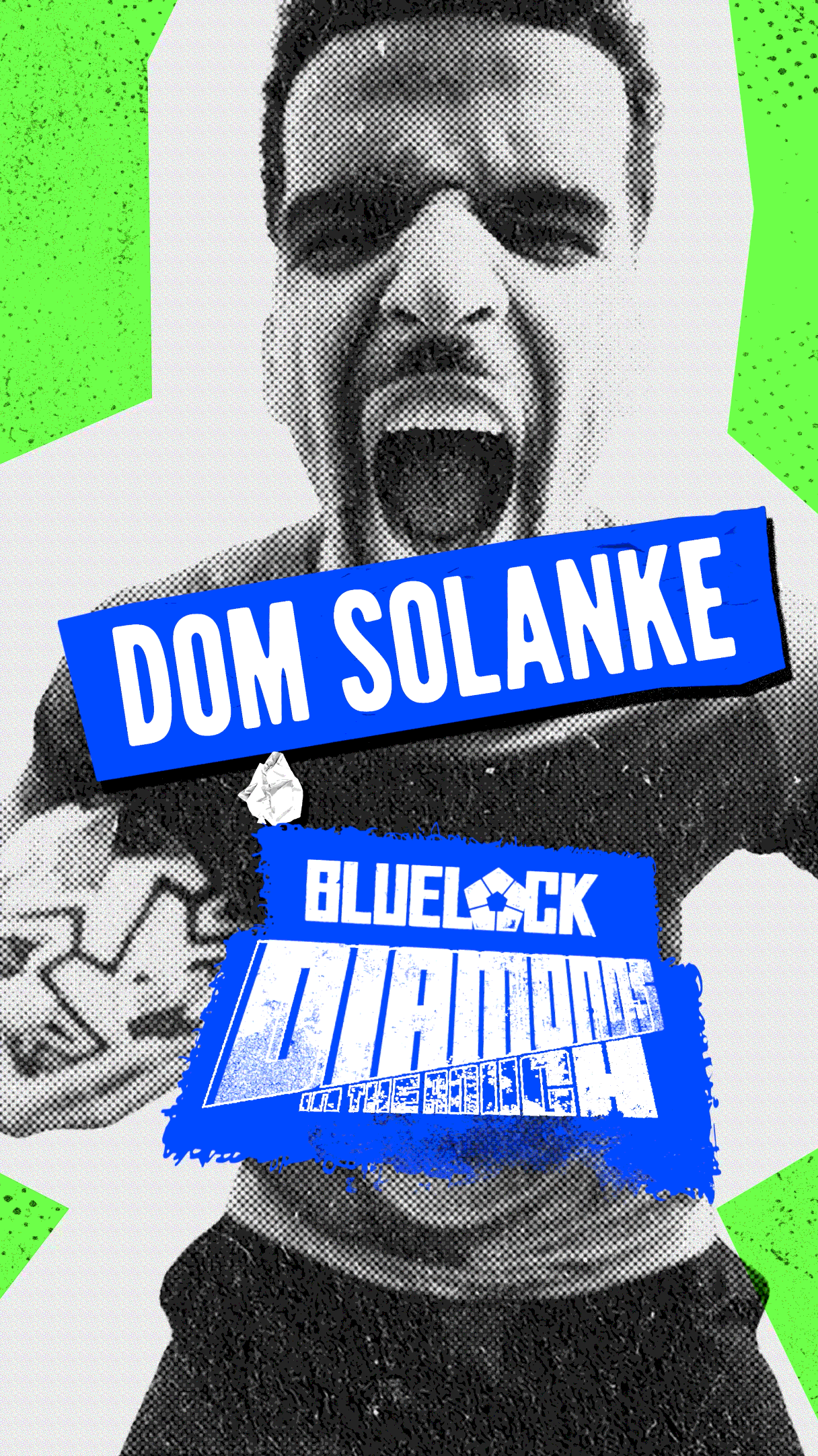 Dominic Solanke
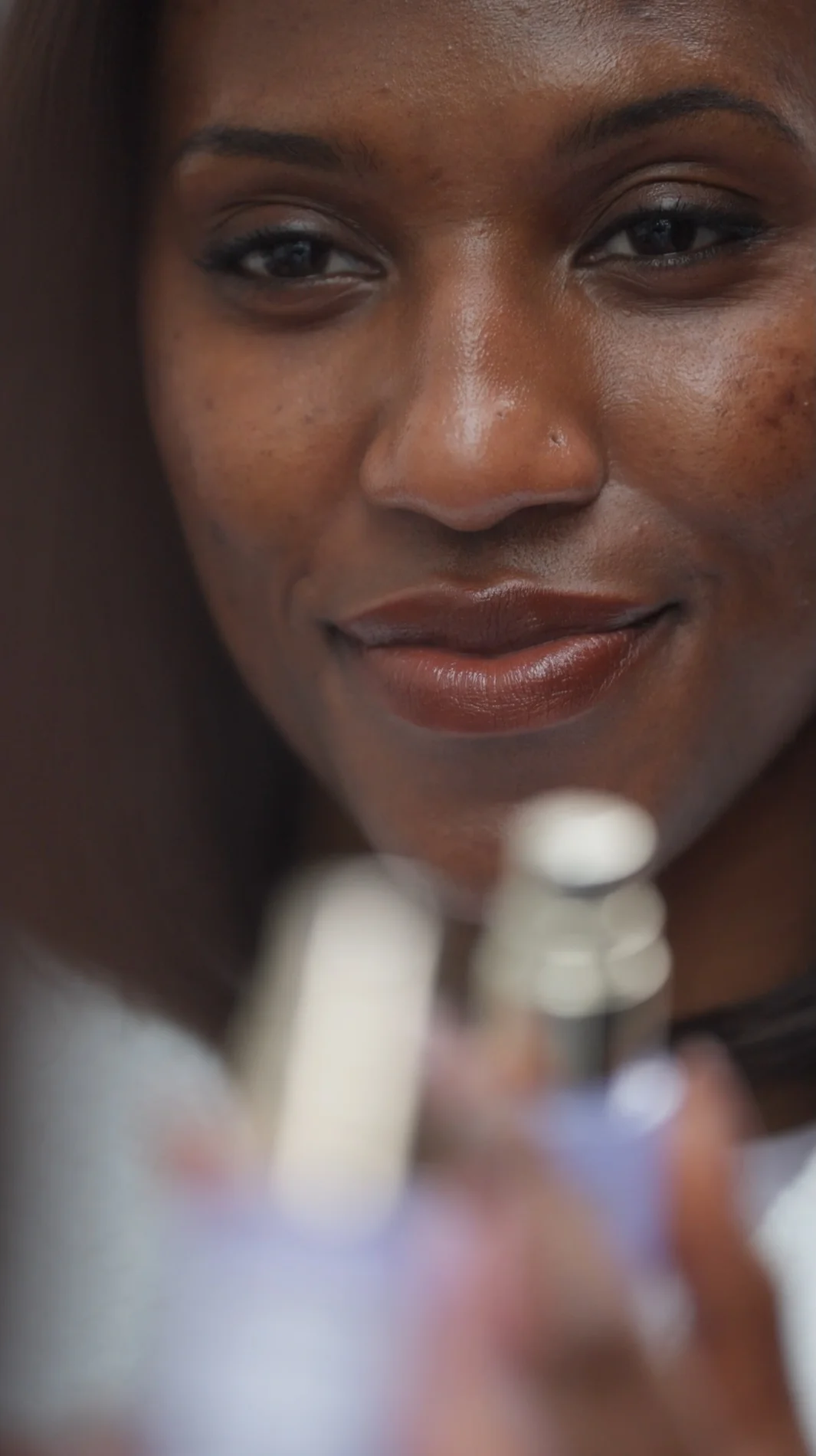 Sunday Riley
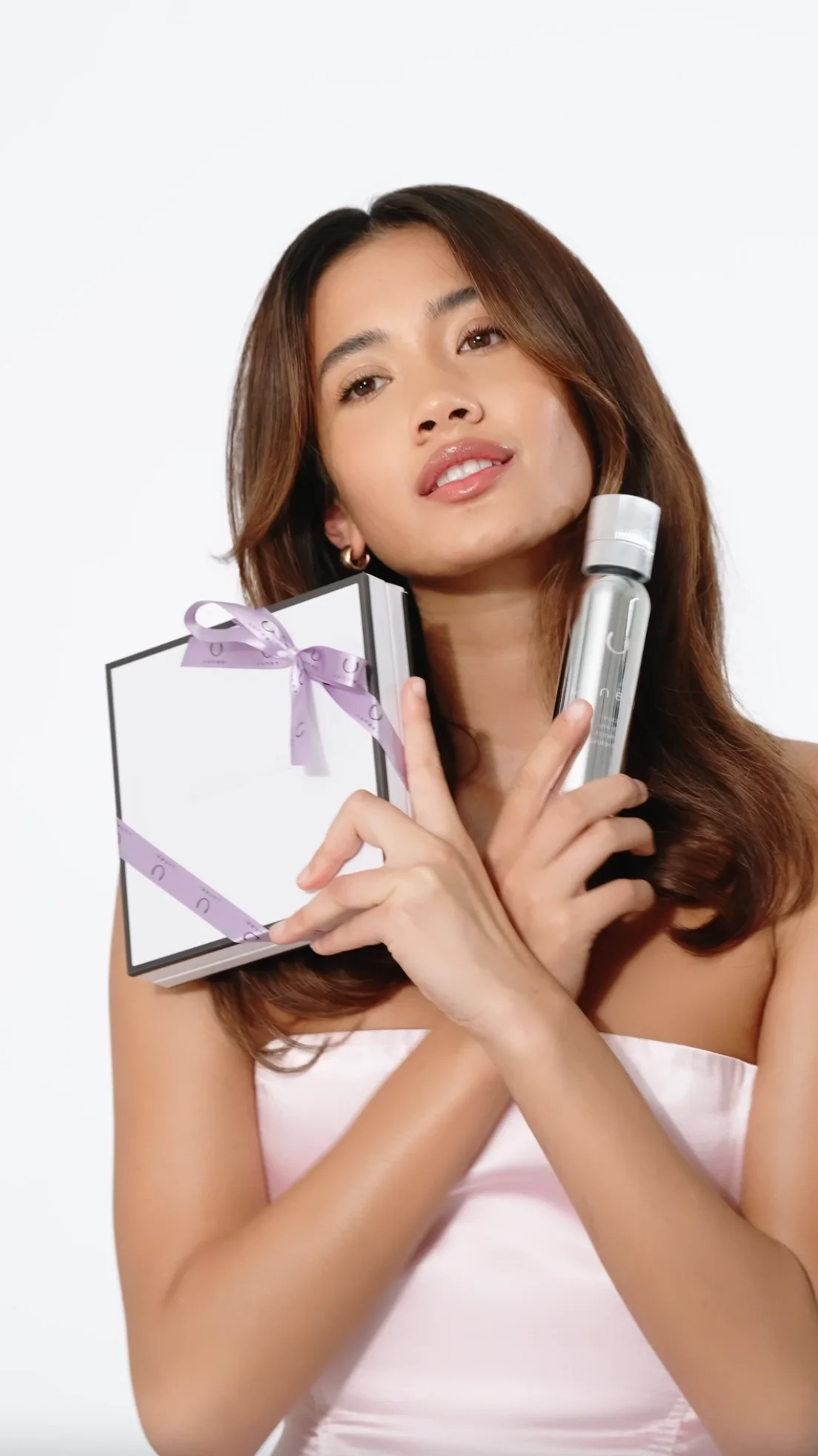 Lunesi
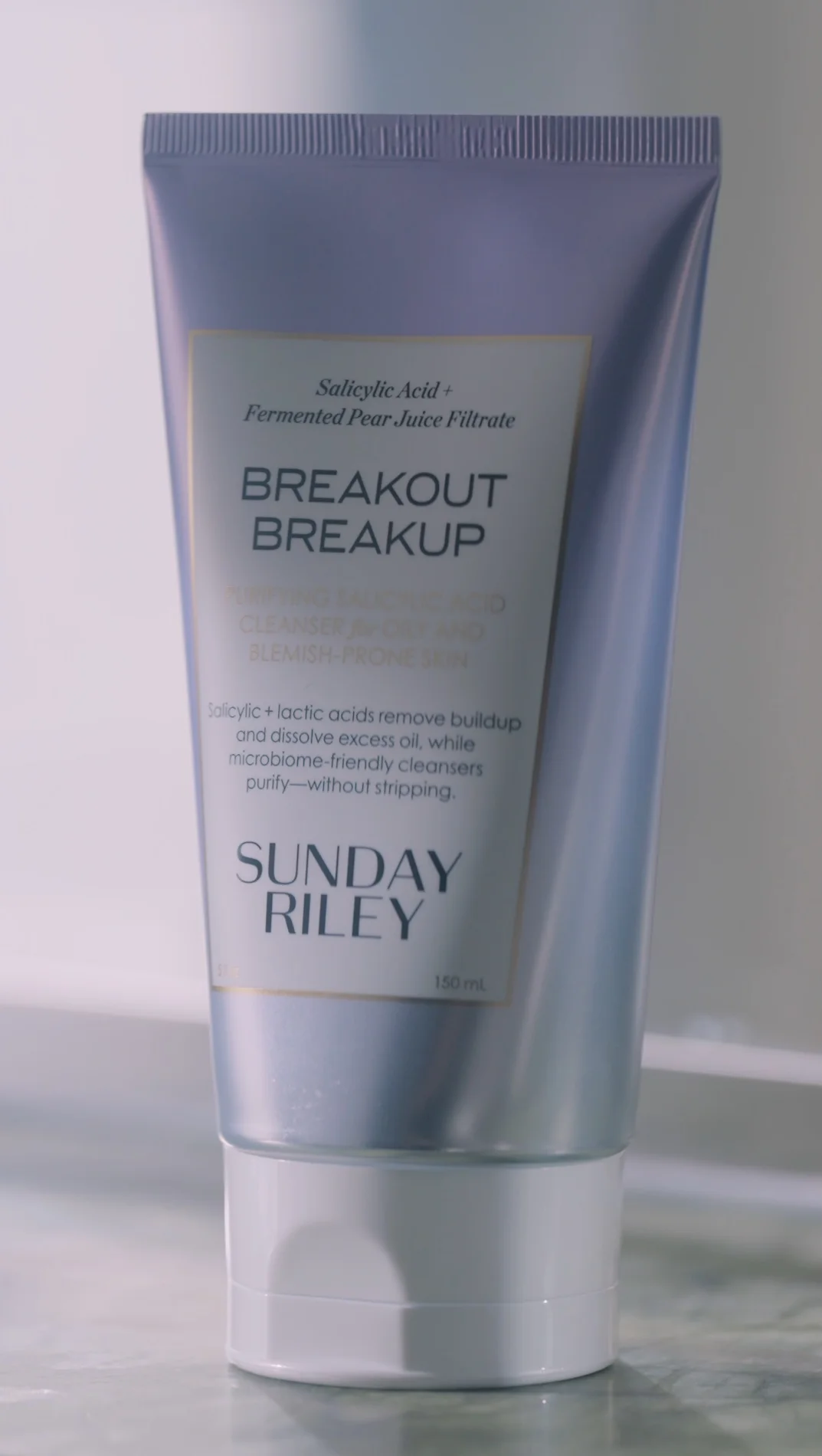 Breakout Breakup
Pricing
Set rates for the day,scoped when it's a production.
Every one of the case studies above had a different crew size, a different number of shoot days, and a different amount of post-production.
That's the honest answer to "how much does this cost." A single-operator interview day and a five-person crew with a gaffer and sound engineer aren't the same price, and shouldn't be quoted as if they were.
Two rounds of revisions are included in every price, and a third is £100 to £200. Standard turnaround is 7 working days; a rush edit inside 48 hours is +£400 and overnight delivery is from +£900. For day rates by role, see our London video production pricing guide.
One interview, a two-hour session, two cameras, teleprompter, edited. A half-day block of three interviews is £2,300.
from £1,200Concept, one shoot day and the edit, delivered ready to publish. The AM Insights and NOA films below sit here.
from £2,500Producer, two camera operators, gaffer and sound engineer on the day, with post priced by what comes out of it.
from £6,000One location, full crew, a run of executive interviews cut into separate films. The Cytec shoot is the model.
from £9,000Scripted work made for paid media, priced per shoot day rather than per film.
£8,500 a shoot dayFour real numbers from the case studies above.
One filming day, two-person crew, delivered within a week.
Two camera operators, a producer and assistant, an eight-hour filming day and four rounds of revisions.
Seven complete videos from one shoot day with a five-person crew. That is what the same brief costs at 2026 rates.
A five-person crew plus a separate photographer, nine interviews, extensive b-roll and photo deliverables, travel included.
Get in touch with your brief and we'll quote against it directly. The figures above are a starting point for what different scopes typically cost, not a substitute for a quote scoped to your project.
The trade-off with a solo-operator interview day: it's the cheapest way in, but you lose the second angle if something happens off to the side of frame, worth knowing before you book the smaller crew to save money. Setup and teardown work the same way in reverse. One person handling everything alone takes longer to get the room ready and packed down again; add more hands and the whole process moves faster, not just the filming itself.
Questions
Frequently asked
Has We Stream produced corporate brand videos for established companies?
Yes, including a 20-year partnership film for DXC Technology and Luxoft featuring senior executives, and a company-wide film for Cytec with testimonials from clients including Aviva, Rolls-Royce and Curry's plc.
Does coverage extend to a company's wider team, or just the founders?
Yes. For Maze, we filmed interviews with most of their team plus a deeper founder interview, compiled into one film establishing what the company does. Crew included a producer, three camera operators, a sound engineer and a gaffer, with a separate photographer for portraits.
Do you produce brand content for consumer and lifestyle brands, not just corporate clients?
Yes. Heineken's campaign with Margot Lee, Sunday Riley's twelve-video skincare content pack and NOA's founder-led brand story are all consumer-facing brand work, distinct from the corporate case studies on this page.
Can you work as a production partner for another agency, rather than only direct clients?
Yes. On the Lunesi campaign we were brought in by the production company they had hired: that company handled pre- and post-production while we handled the filming on set. We are comfortable slotting into another agency's pipeline rather than requiring the whole job.
How fast can a brand video go from concept to delivery?
It depends on scope. The AM Insights anniversary film went from concept to delivery in one week. NOA's founder-led brand story ran a three-day production cycle. Larger multi-video series, like the Albatross Healthcare explainer set, are filmed in a single day with post-production scoped separately. Standard video turnaround is 7 working days; a rush edit inside 48 hours is +£400 and overnight delivery is from +£900.
How much does brand or commercial video production cost in London?
It depends on crew size, shoot days and how much post-production the work needs. An interview-led film starts at £1,200 for a single interview with two cameras, edited, or £2,300 for a half-day block of three. A brand film delivered ready to publish starts at £2,500, a full-crew day with producer, two operators, gaffer and sound is from £6,000, an interview day producing up to seven finished videos is from £9,000, and scripted advertising work is £8,500 a shoot day. Real examples: the AM Insights film was £2,500, the NOA brand story £4,000, the Cytec shoot of seven videos is about £8,500 at 2026 rates, and the Maze offsite with nine interviews and a photographer came to around £12,000.
What do people usually forget to ask about when getting a brand video quote?
Shoots that overrun need an extra filming day at full rate. Two rounds of revisions are included and a third is £100 to £200. Faster delivery mid-project adds a rush fee, +£400 inside 48 hours or from +£900 overnight. An extra vertical cutdown of a finished video is £150 if it was not scoped upfront. Asking before filming starts avoids surprises on the invoice.
Get in touch